Rediscovering the city I have always called home.
Starting Again from Home
I've always considered Rome to be my city, even though I've often felt caught between two places: Rome and Florence.
Last summer, as I do every year since moving to Brussels, I returned to the Italian capital. This time, however, I decided to do something different: to experience Rome as if I were visiting it for the very first time.
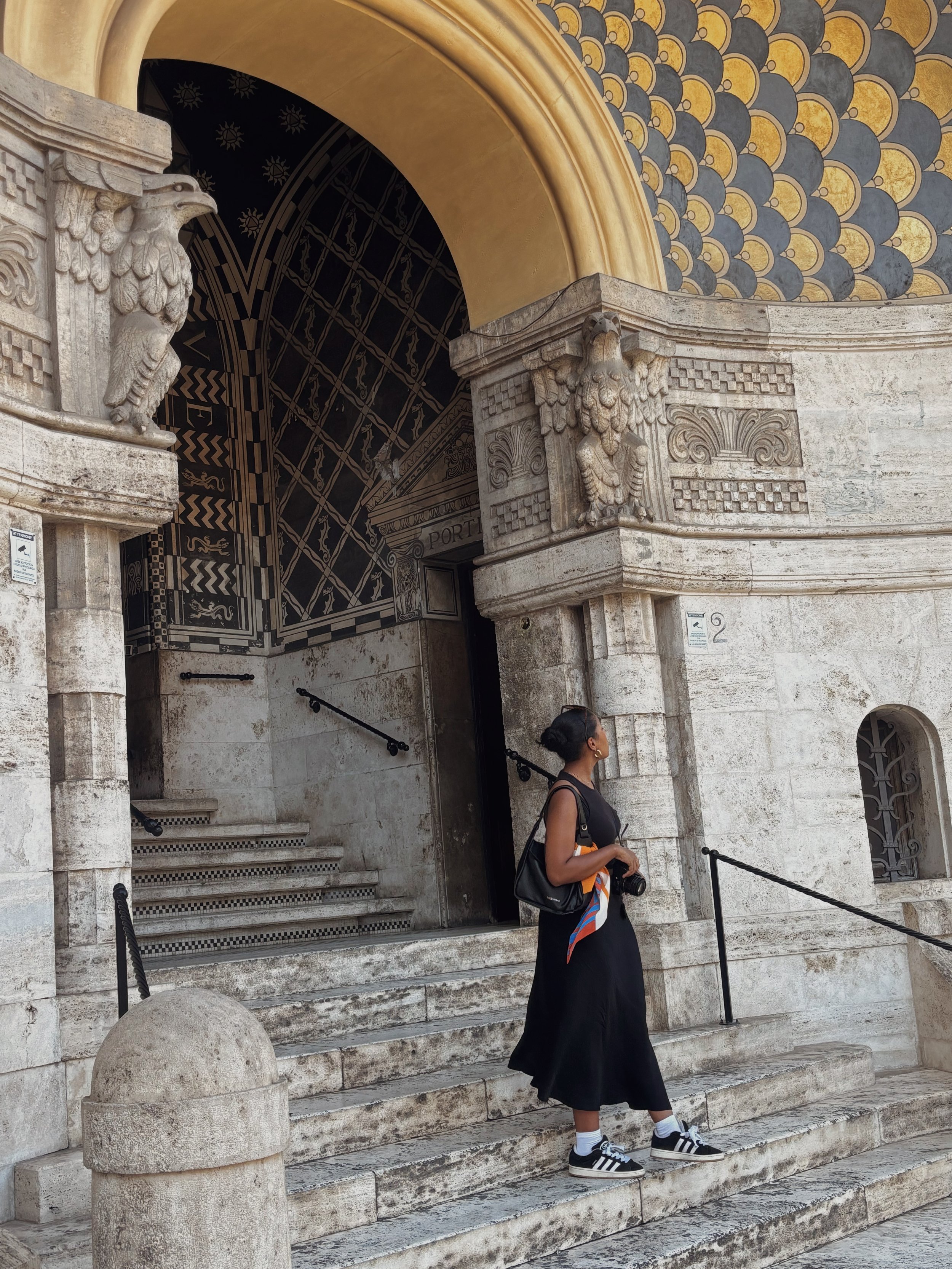
To be a tourist in the city where I grew up. To visit places I had never seen before and do things I had always postponed.
After all, it isn't that difficult. Covering approximately 1,285 km², Rome could fit almost eight Brussels-Capital Regions within its boundaries. It is an immense city—one that is impossible to know completely.
I left on August 30th, hoping to escape the most intense heat of the Roman summer.
Tourists for a Day
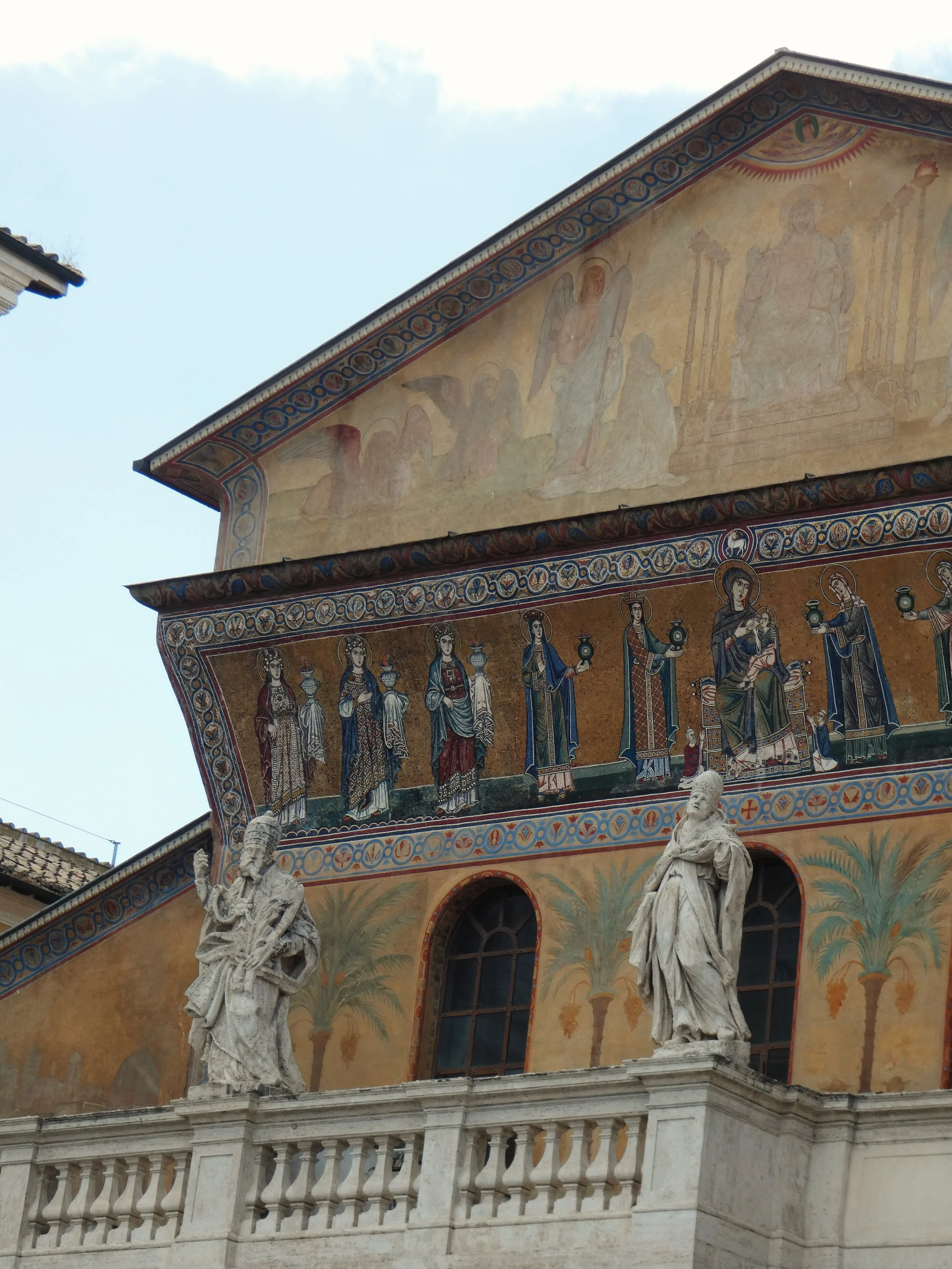
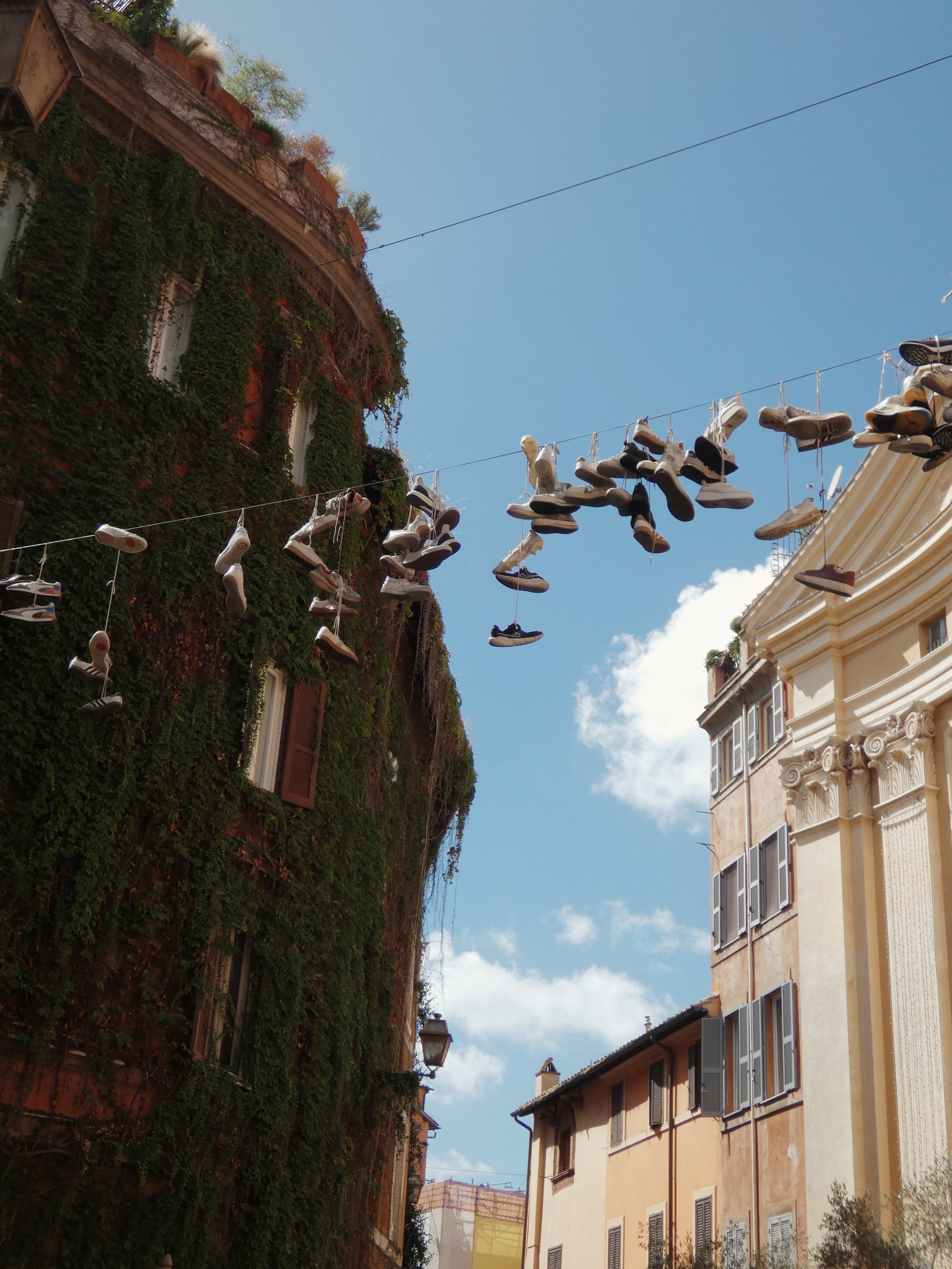
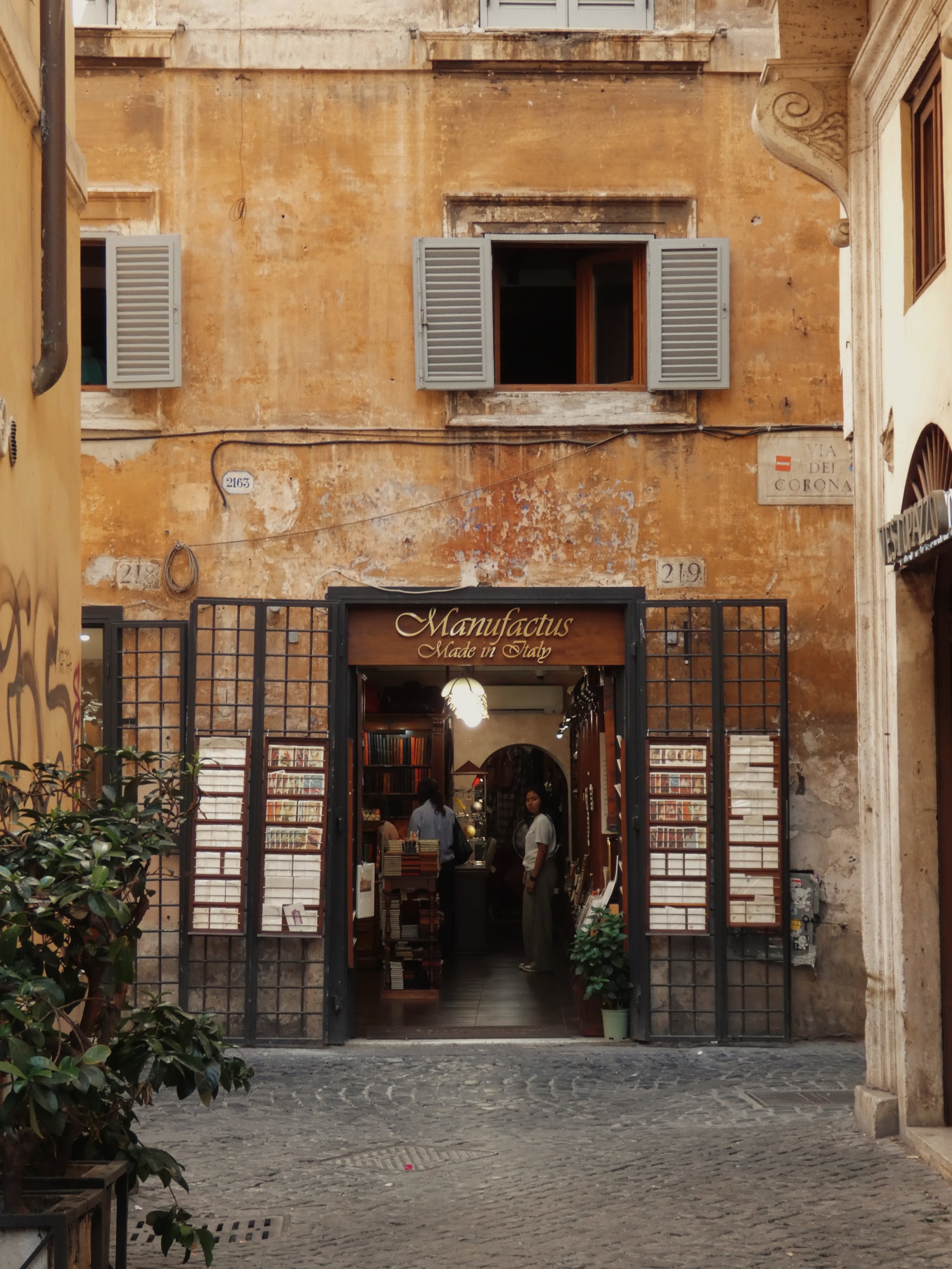
My first stop was Trastevere, one of the most beautiful districts in Rome, at least in my humble opinion.
I invited my mother and my brother—both Romans—to join me in discovering a few new places.
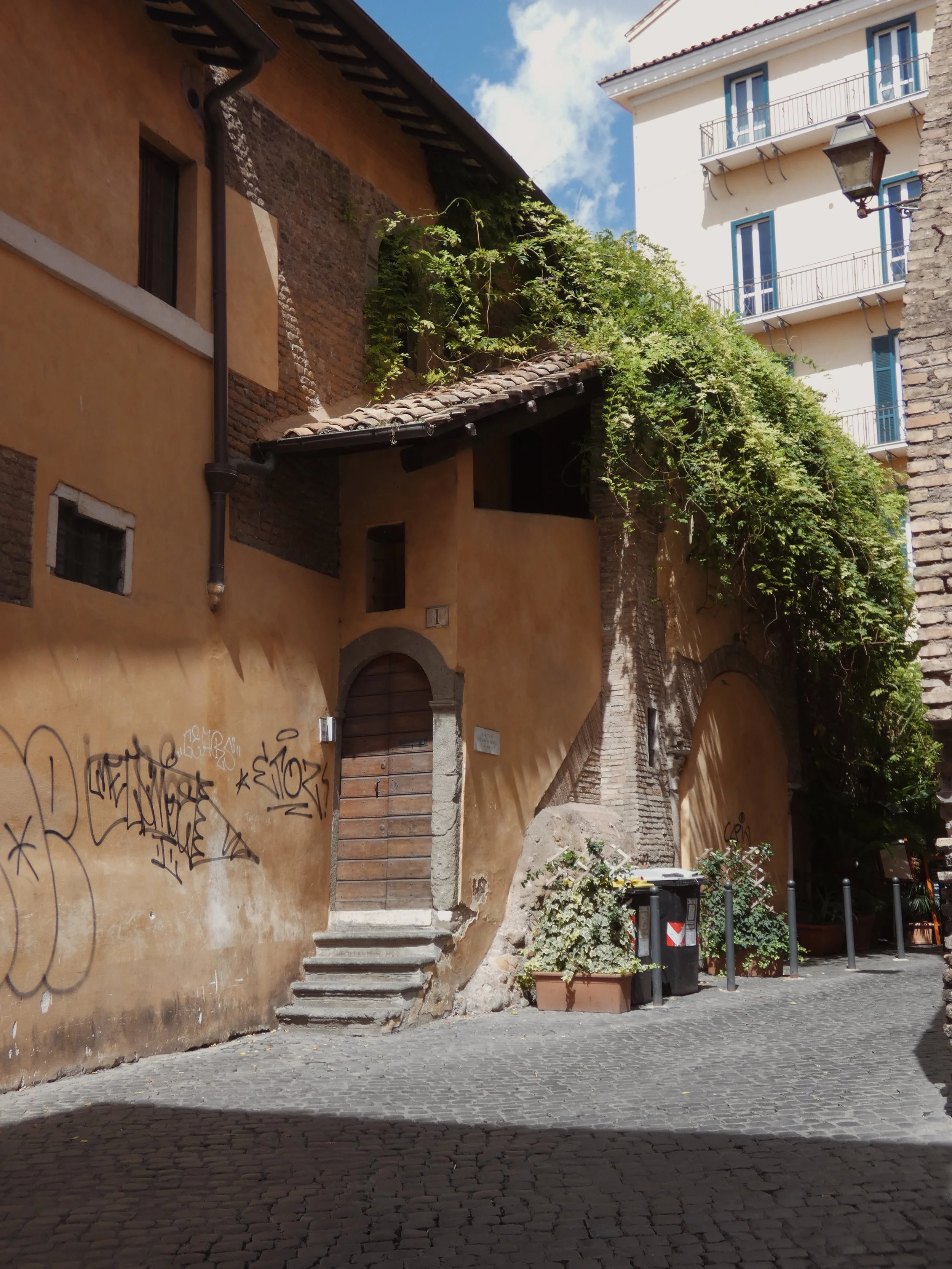
After an amatriciana, an espresso, and the inevitable ammazzacaffè, I convinced them to go for a walk to help us digest.
Although they weren't entirely enthusiastic—constantly complaining about the heat and searching for patches of shade—I managed to drag them through the narrow streets while stopping every few minutes to take photographs.
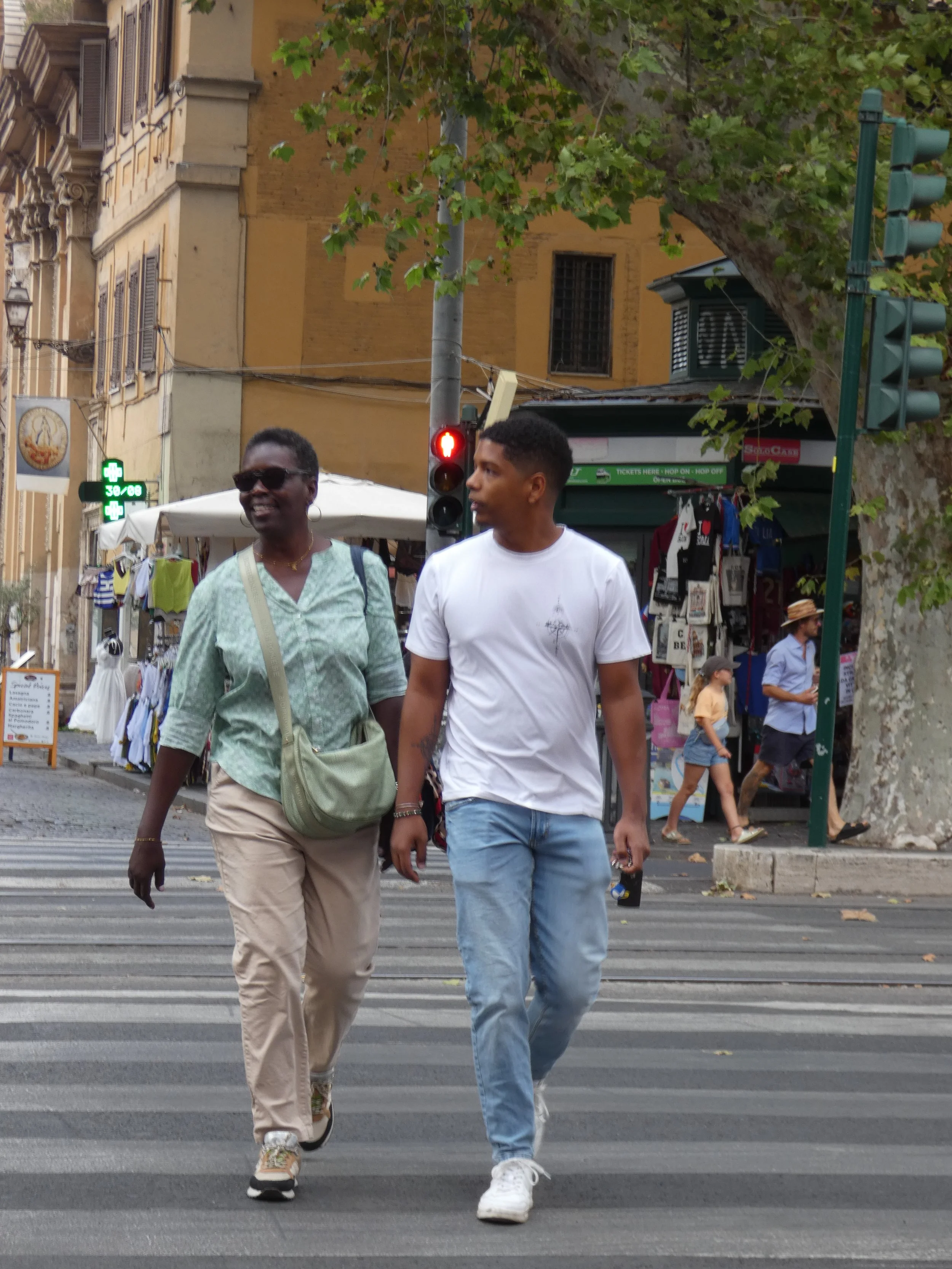
Searching for Hidden Gems
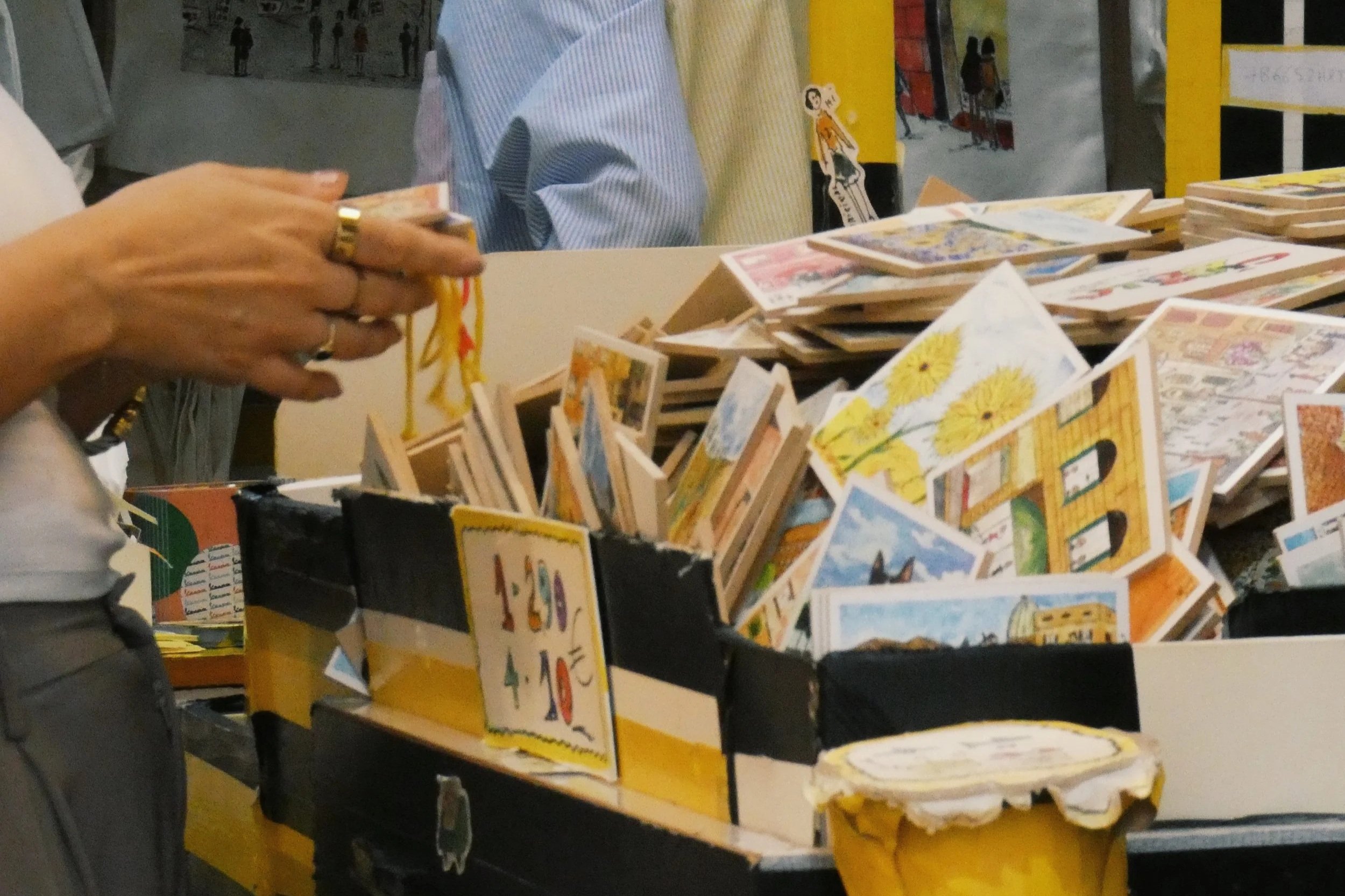
The following morning I wandered through Porta Portese, Rome's famous flea market, hunting for little treasures and objects with stories to tell.
Later, I made my way through the streets around Piazza Navona to visit Gran Caffè Marcel on Via dei Canestrari, one of those spots that has recently become a favourite among Instagram travellers. I met Marcel himself, we chatted for a few minutes, and before leaving I bought a coaster illustrated with a vintage yellow Fiat 500.
"What a tourist," I thought to myself.
And, if I'm being honest, part of my itinerary had actually been influenced by Instagram: those "10 things to do in Rome." "Best spots in Rome." "5 must-try cafés."
For years I had watched tourists under the blazing August sun, wondering how they managed to spend entire days visiting churches, monuments, hidden alleys, the Vatican, or Piazza Navona in forty-degree heat. They all seemed perfectly equipped with oversized sunglasses, linen trousers, and the inevitable Dolce Vita caption ready for Instagram, while I, as a Roman, had always taken those places for granted.
This time, though, I was one of them.
Becoming One of Them
With my headphones on, my camera around my neck, and my ever-present critical eye, I headed to the Chiostro del Bramante to visit an exhibition.
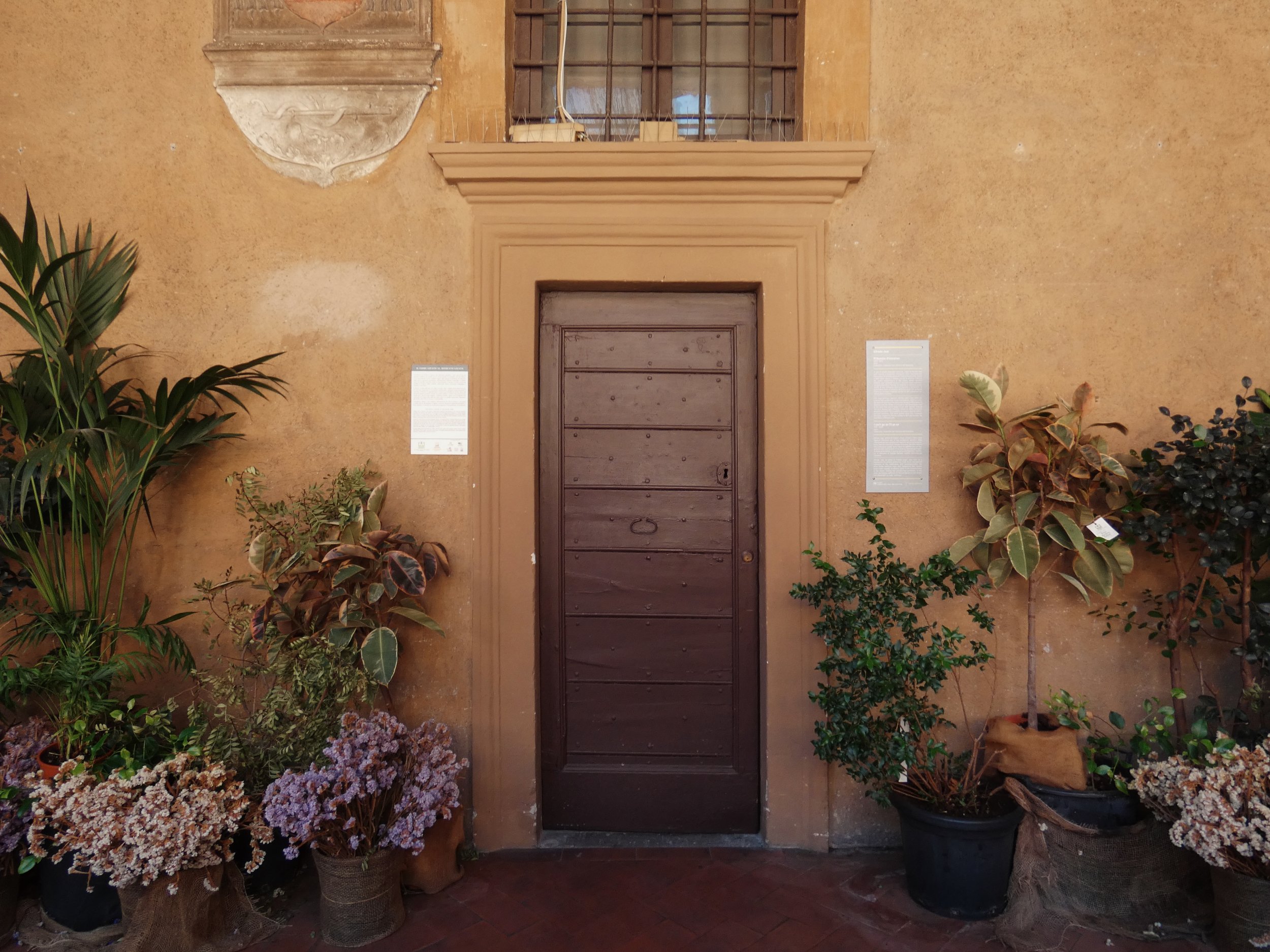
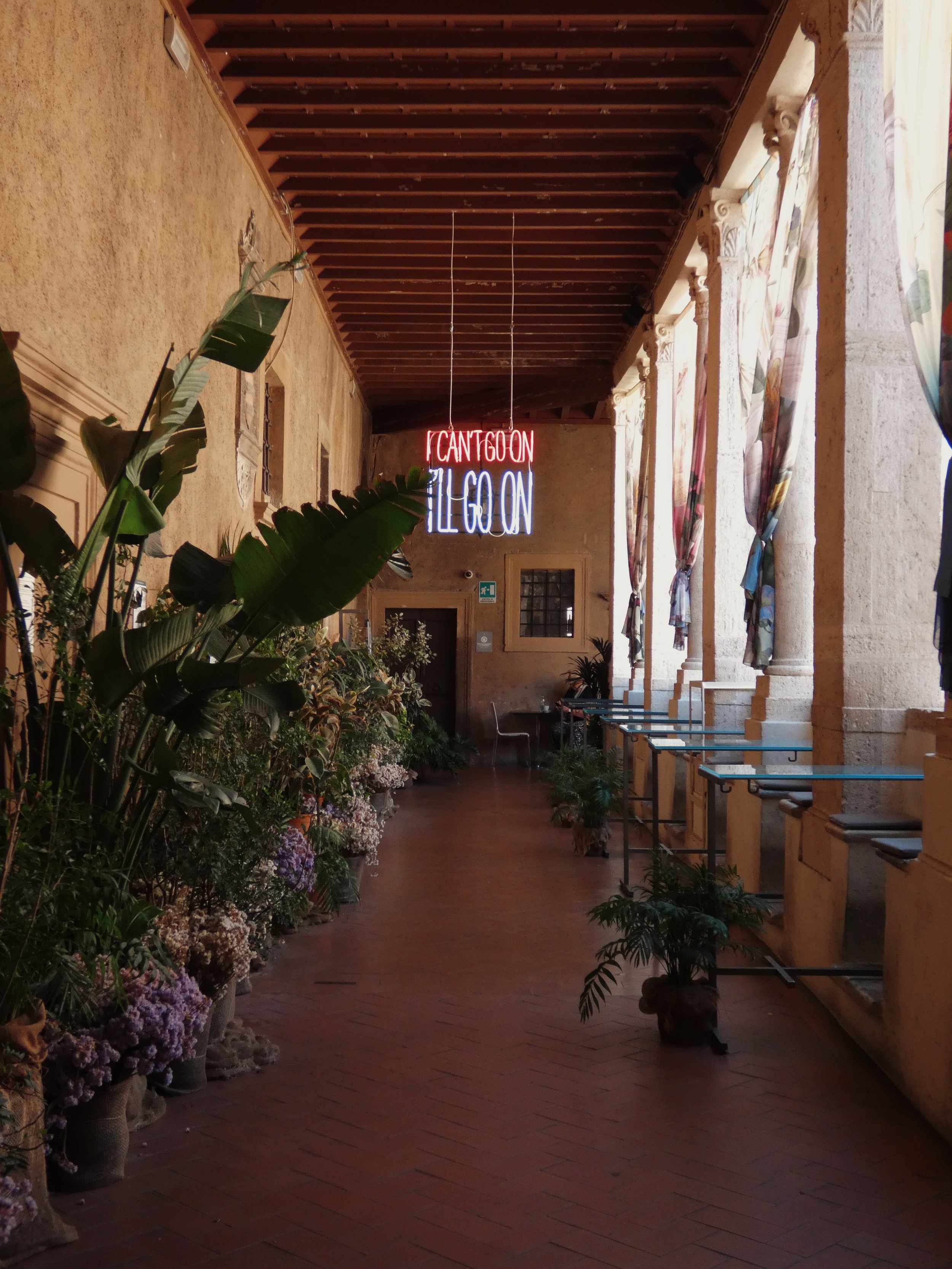
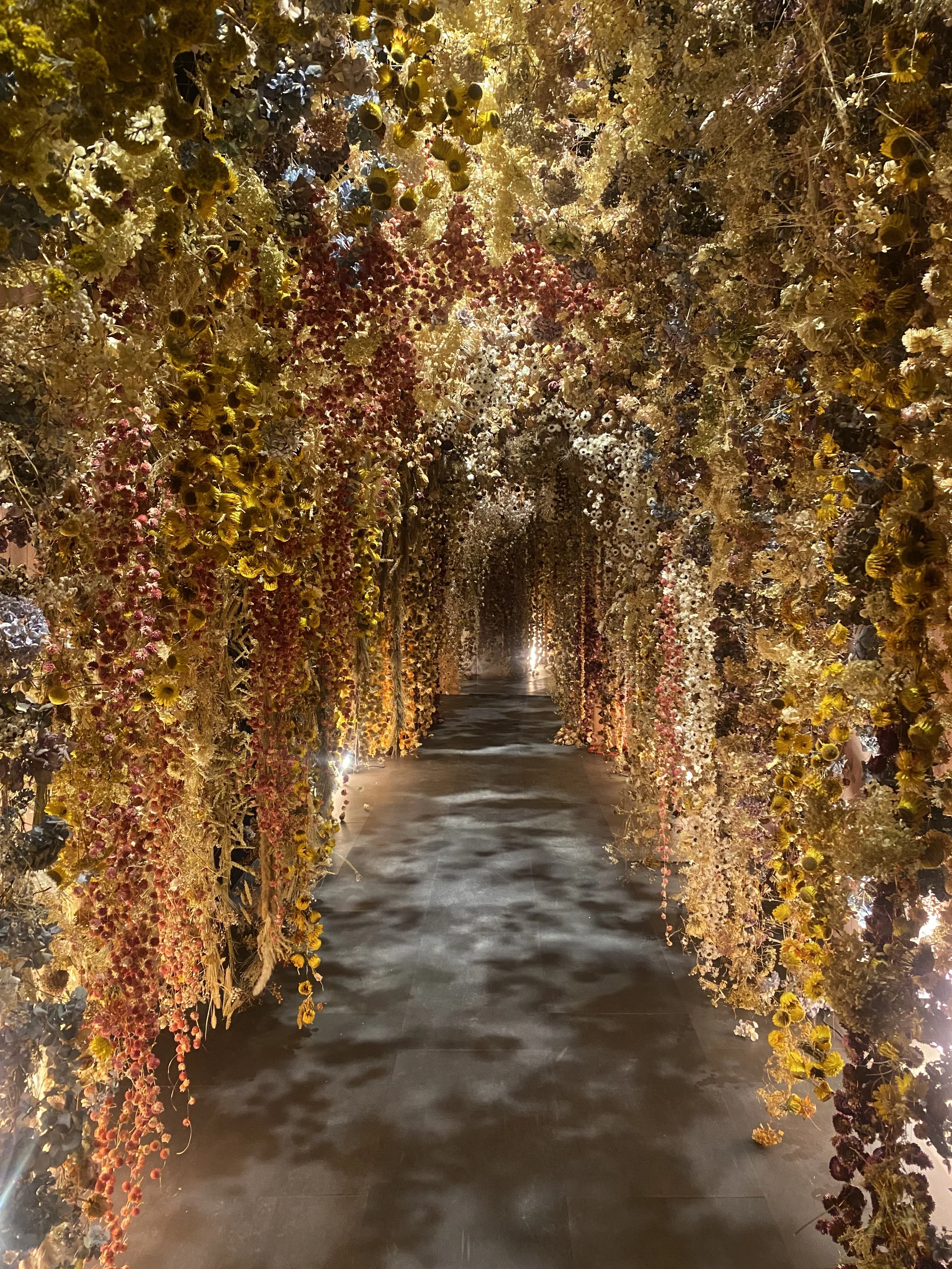
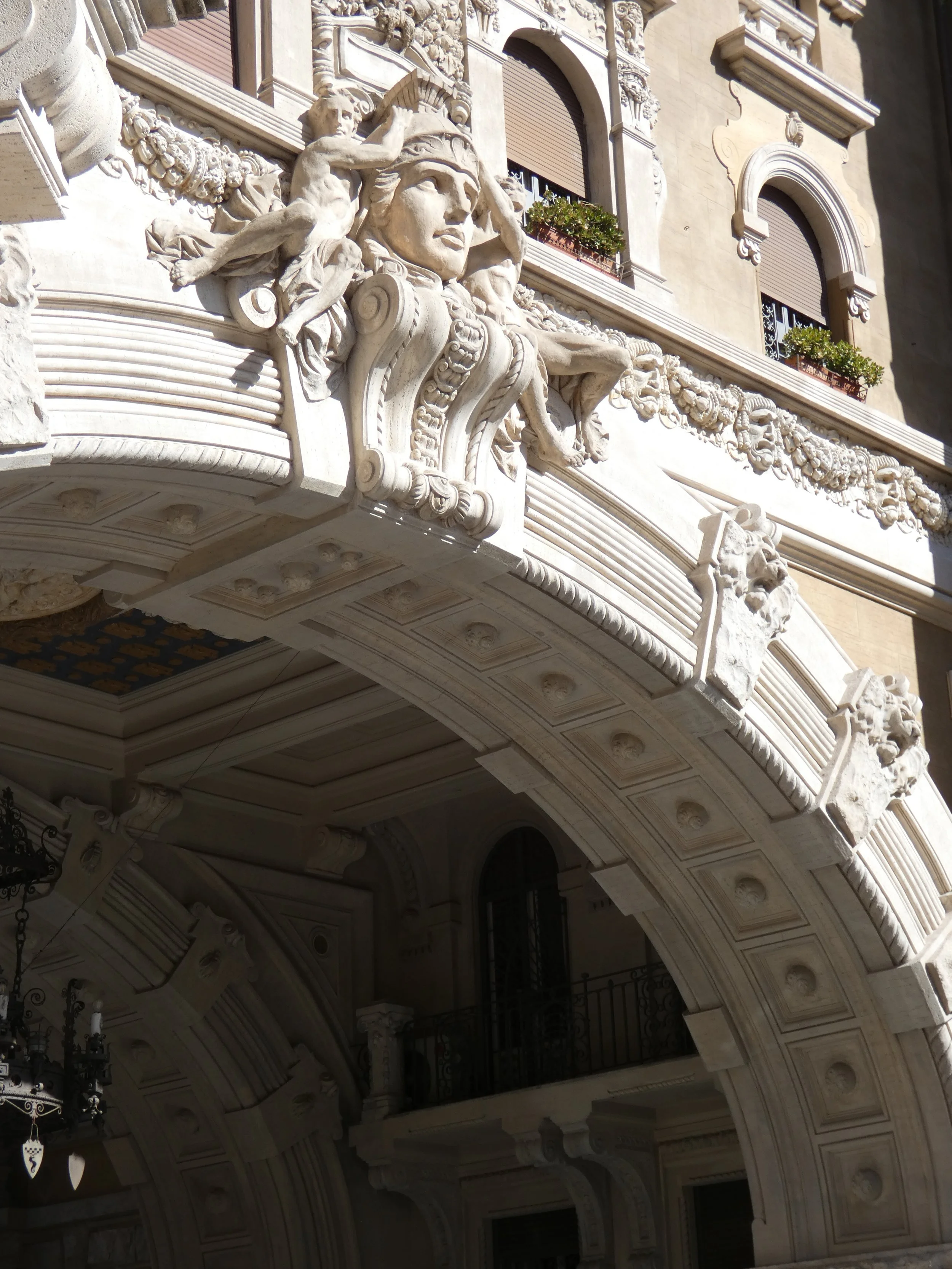
After yet another walk through Rome's historic centre, I met up with my mother and suggested a detour to the Coppedè District.
Yes—we walked a lot.
Neither of us had ever been there before.
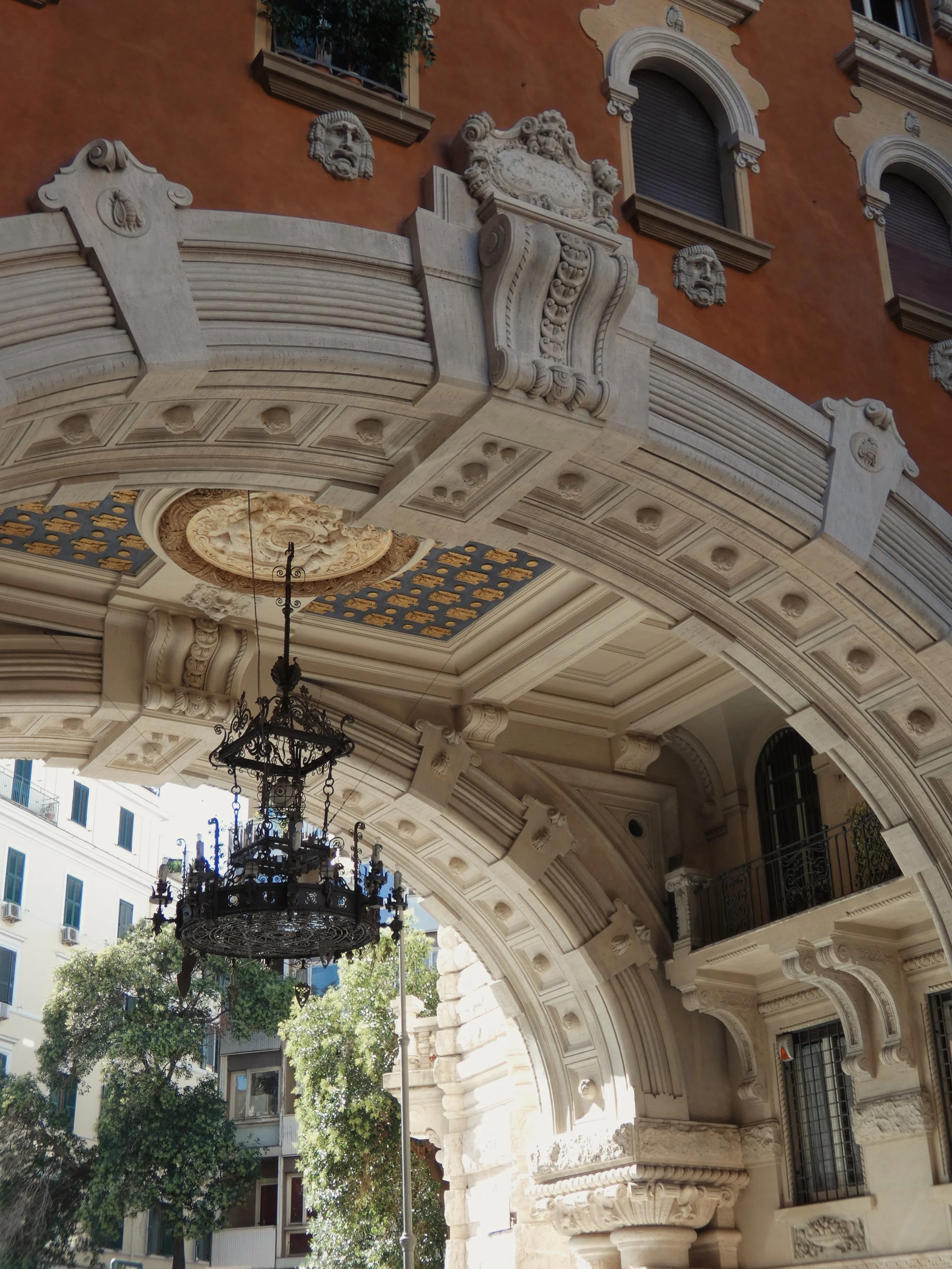
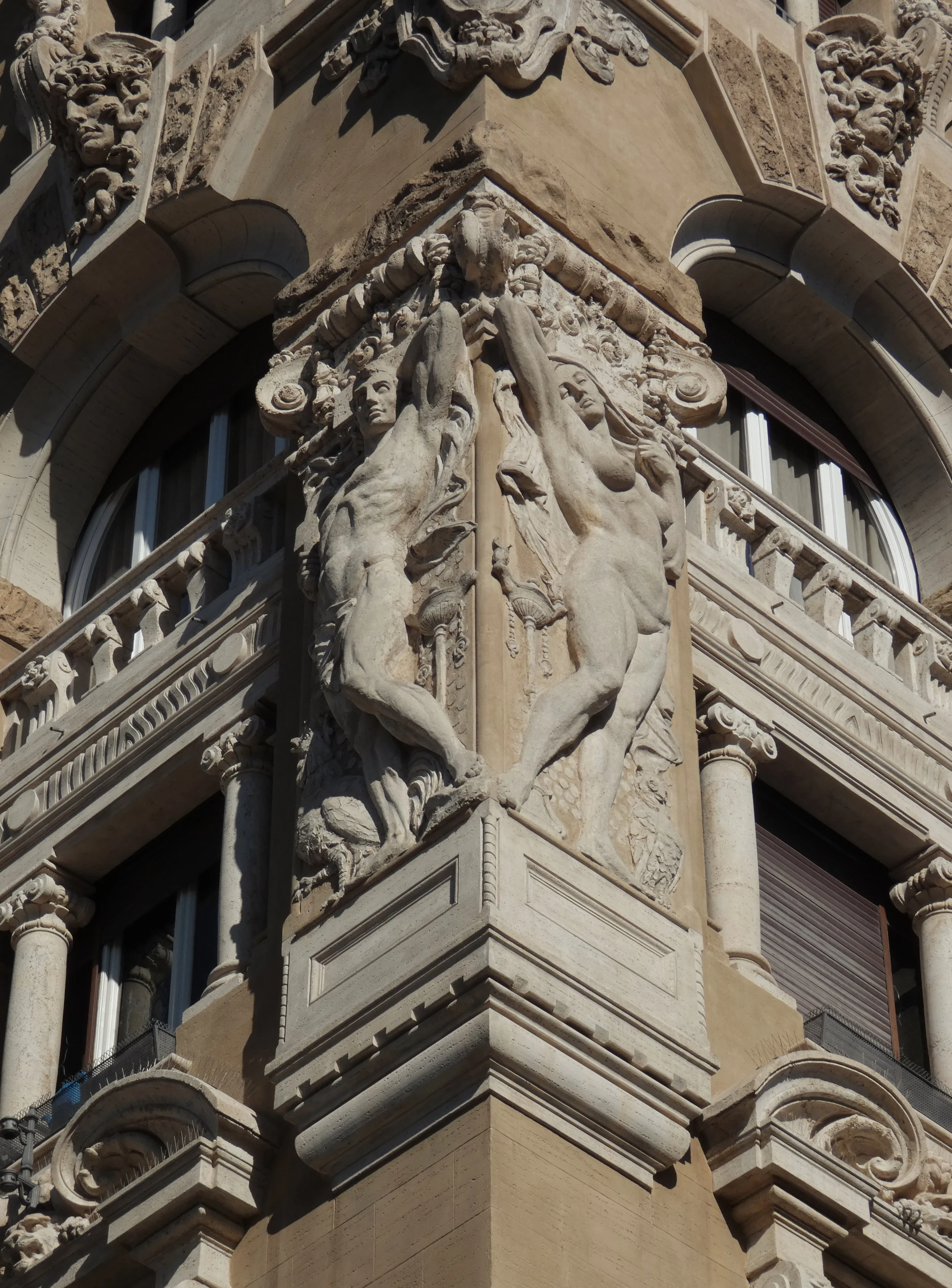
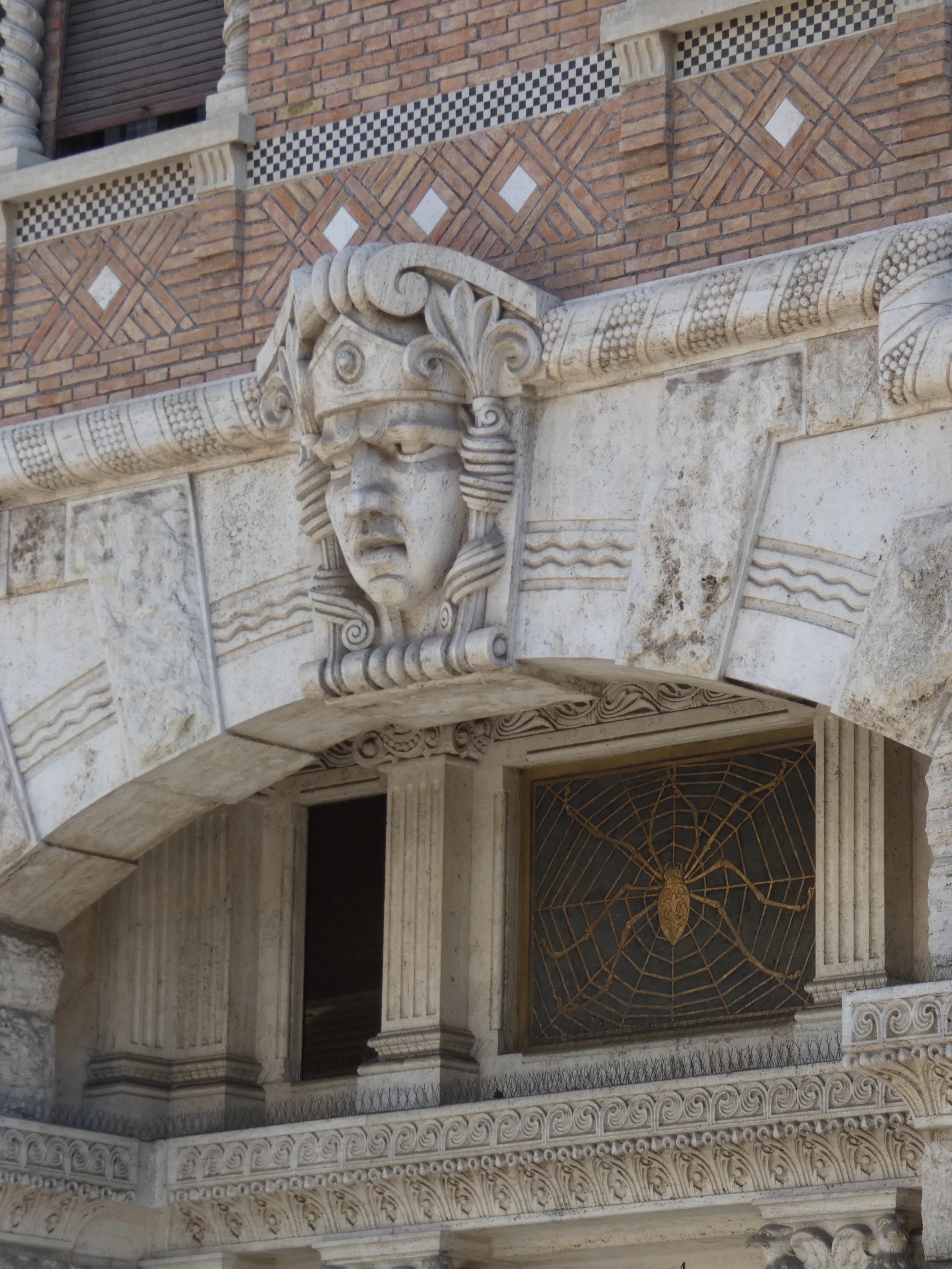
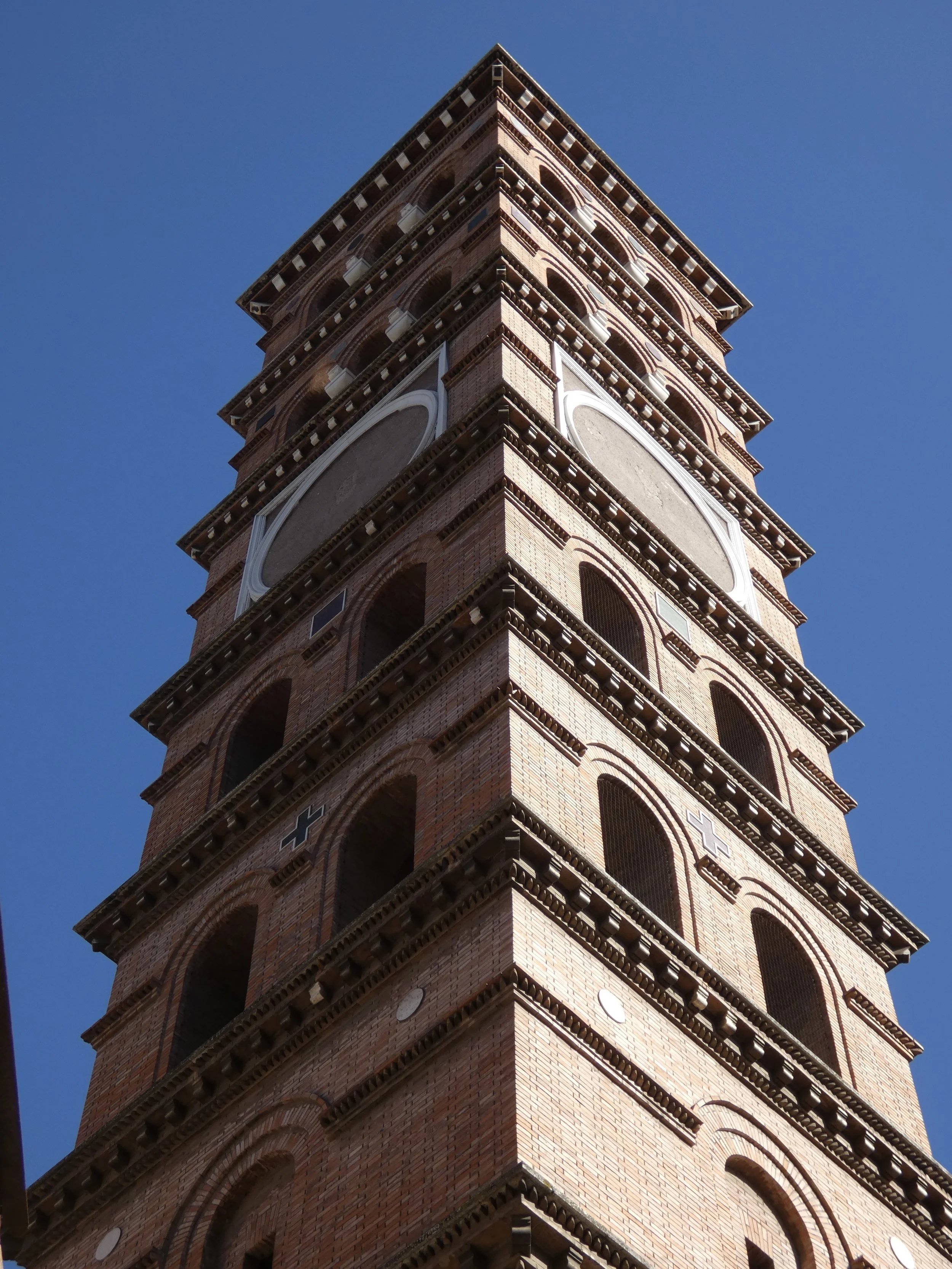
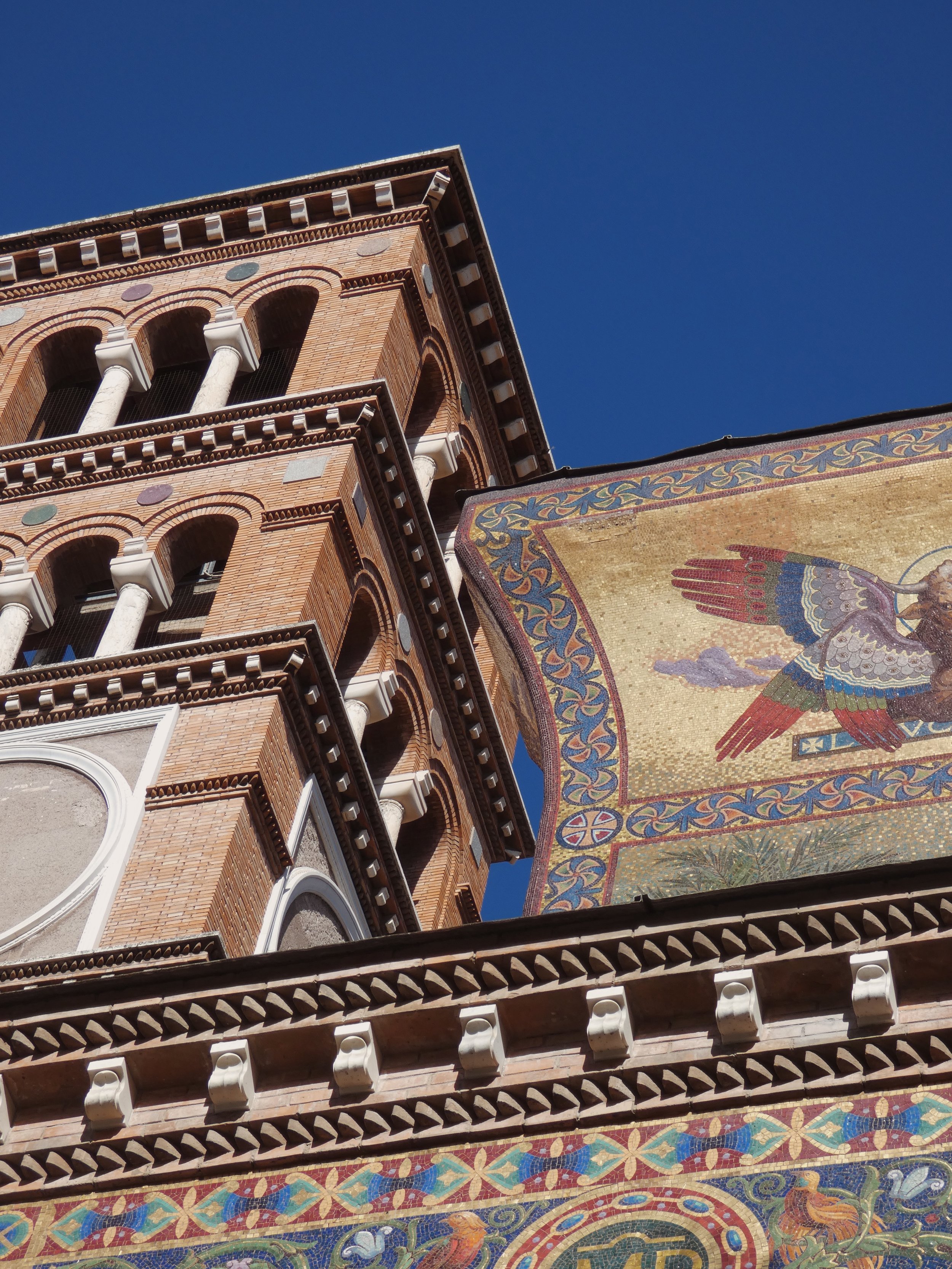
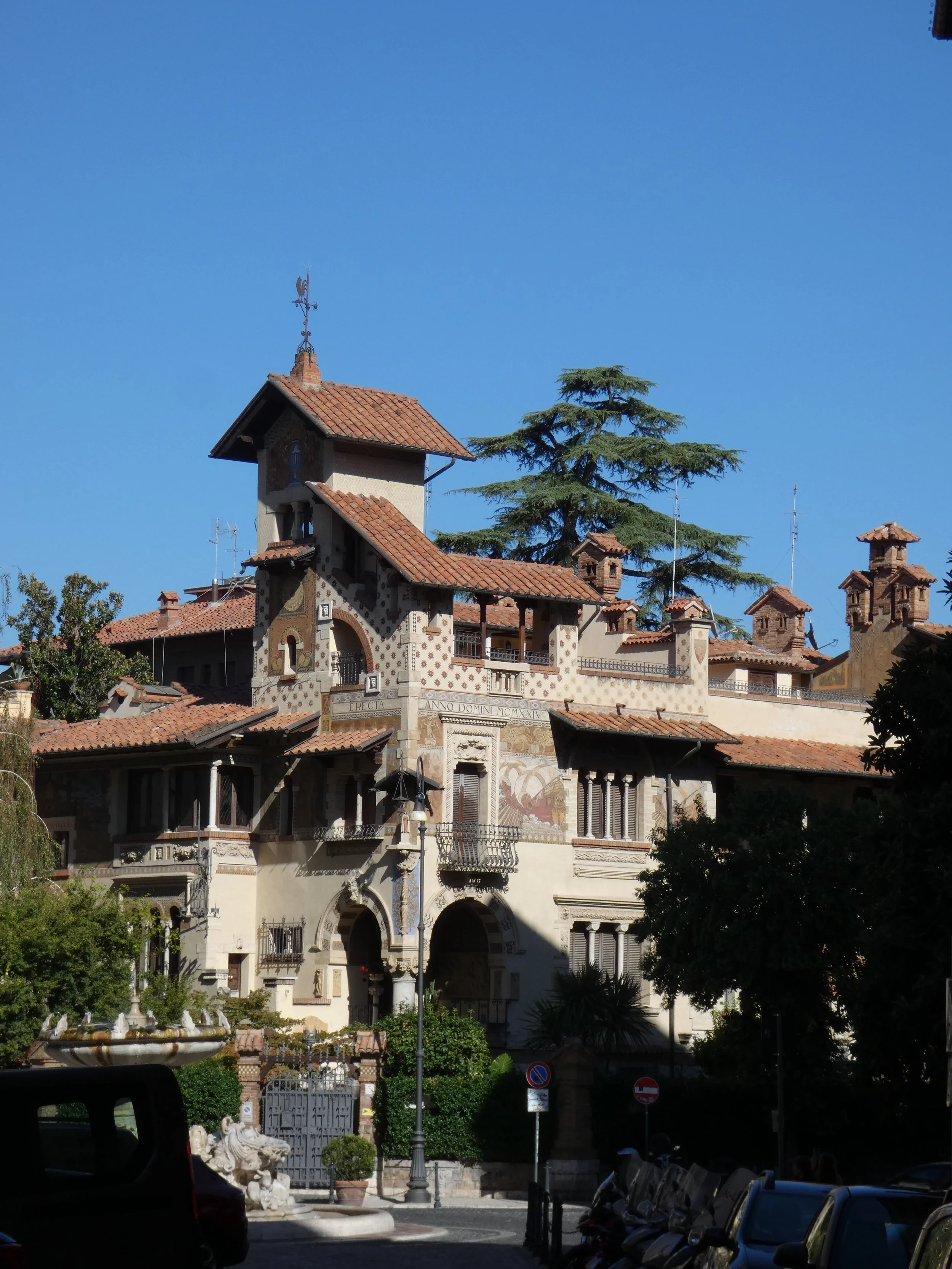
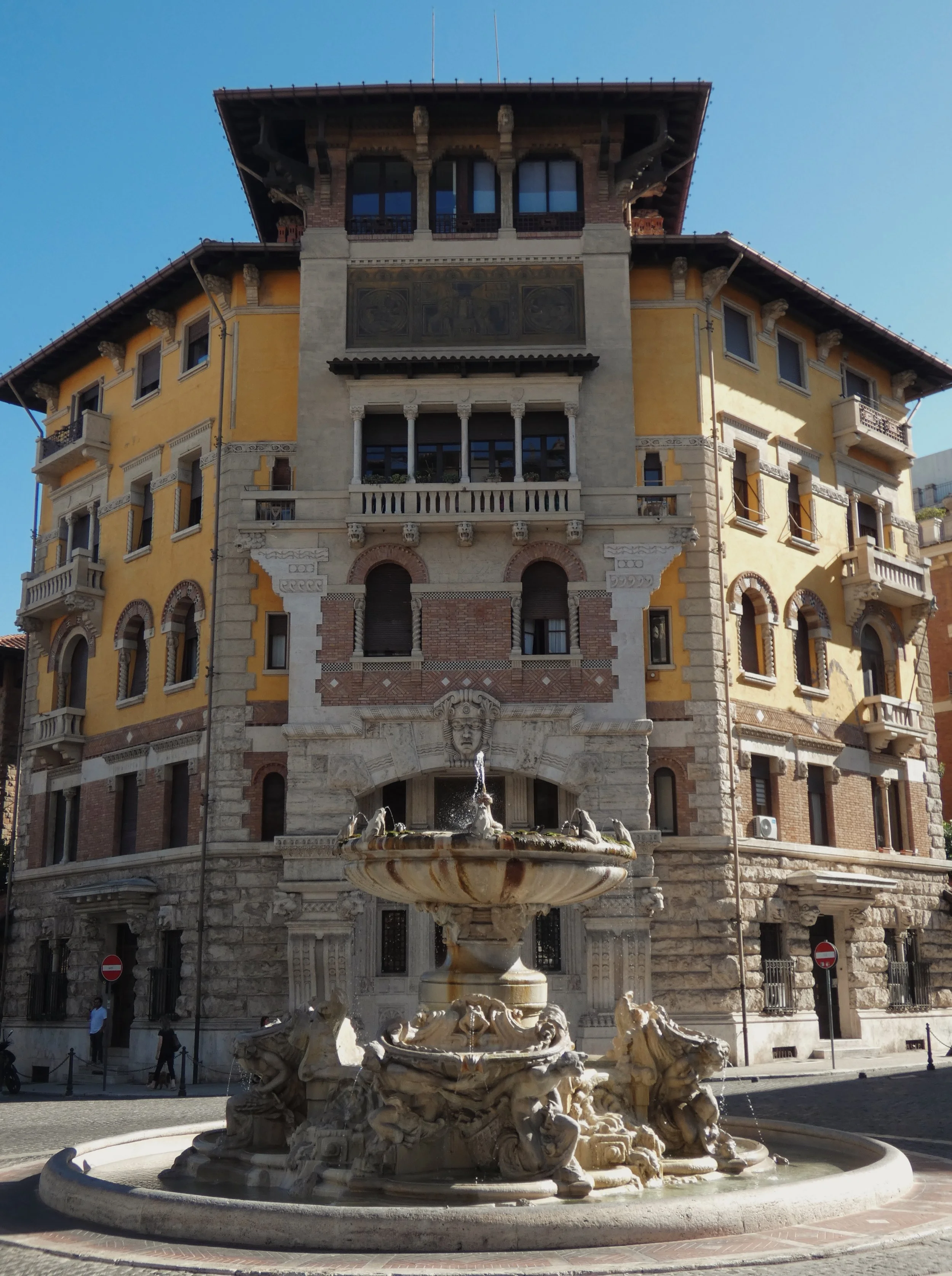
We stepped beneath the monumental arch, welcomed by the iconic wrought-iron chandelier suspended overhead, and found ourselves standing still for several minutes, simply absorbing the uniqueness of the architecture. It is a place where Liberty style, Gothic, Baroque, Medieval and Renaissance influences coexist in surprising harmony.
I remember smiling and thinking,
"Well done, Mr. Coppedè."
Spaces Meant to Be Experienced
I wasn't entirely a victim of Instagram tourism, though. For that, I have to thank my favourite magazine, AD – Architectural Digest, which encouraged me to visit Hugo Toro's latest project: Orient Express La Minerva, the very first Orient Express hotel in the world, housed in a beautifully restored seventeenth-century palace just a few steps from the Pantheon.
I decided to stop for breakfast.
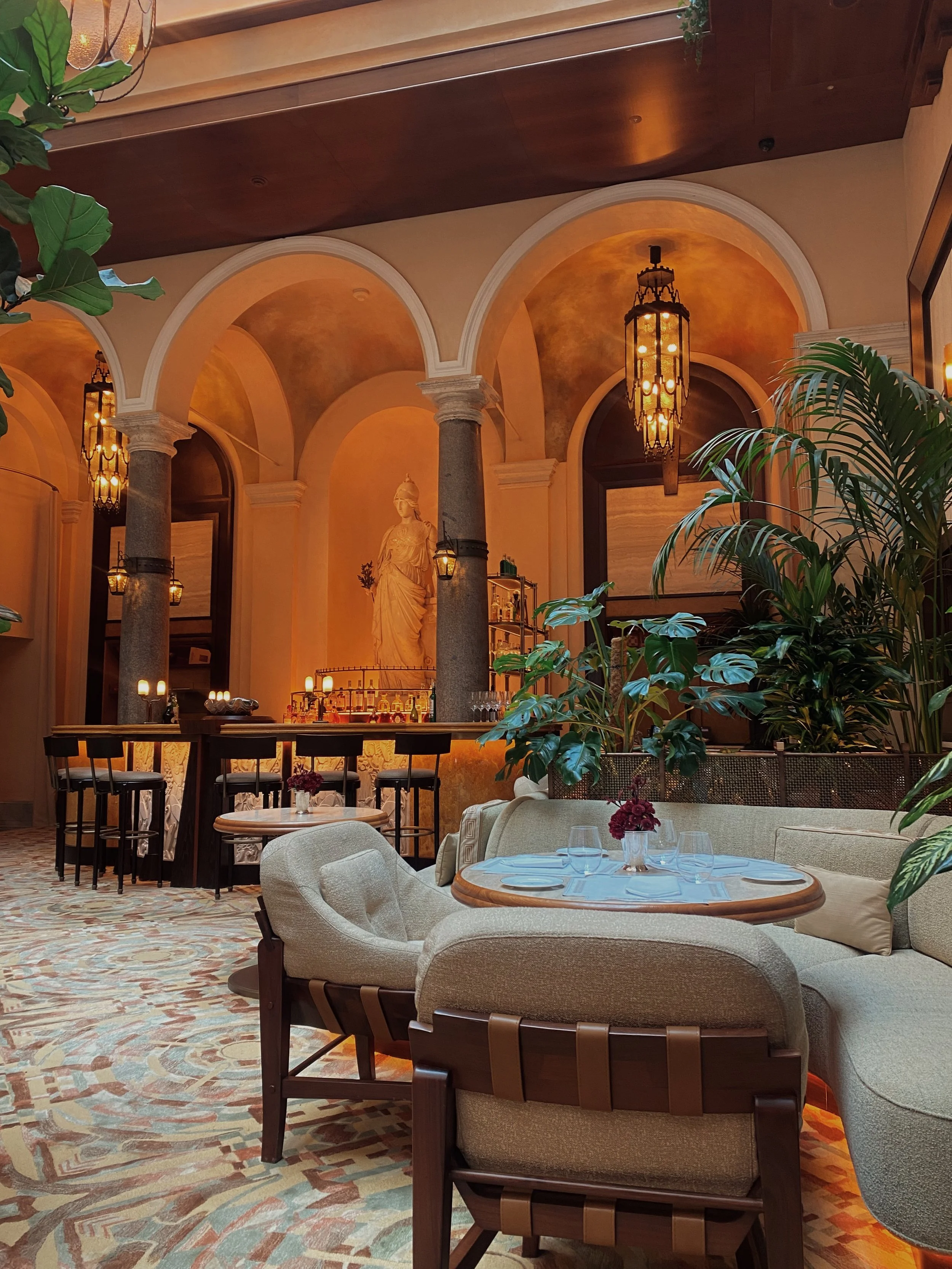
Not because of the coffee, but because I wanted to experience the space. To observe its colours, touch its materials, understand how the light moved through the interiors, and absorb the atmosphere Hugo Toro had created.
As an interior architect, there are places I feel compelled to experience slowly. Places that remind me architecture isn't only something we see—it is something we feel.
An Endless City
This journey through Rome reminded me of something remarkably simple: you can spend an entire lifetime living in a city without ever truly knowing it.
Perhaps that's the privilege of great cities. They keep changing—or perhaps we simply learn to look at them differently.
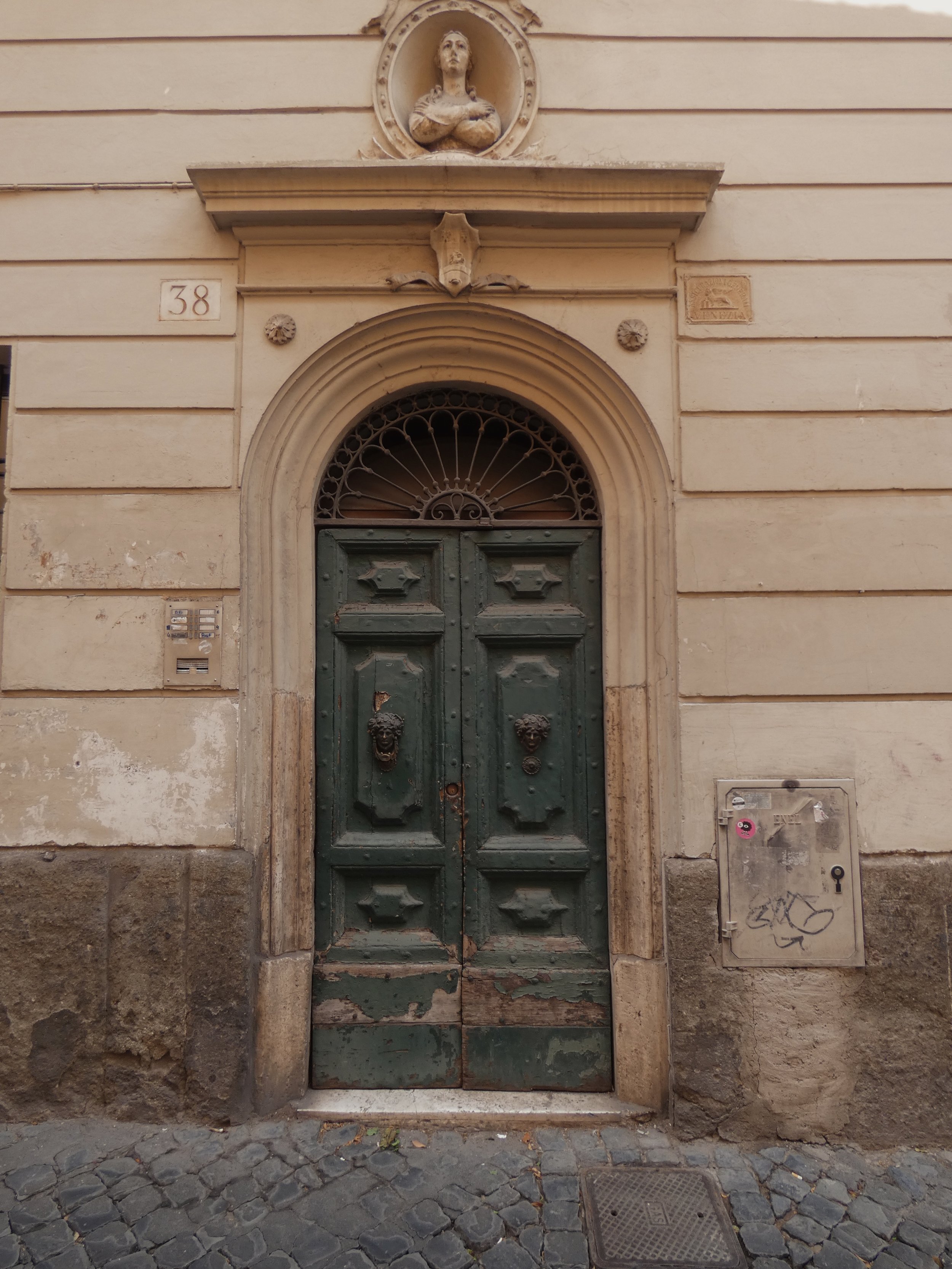
Looking at Rome through the eyes of a tourist allowed me to notice details I had overlooked for years. Through the eyes of an architect, I became fascinated by materials, proportions, and atmospheres. Through the lens of my camera, I found stories hidden in ordinary corners.
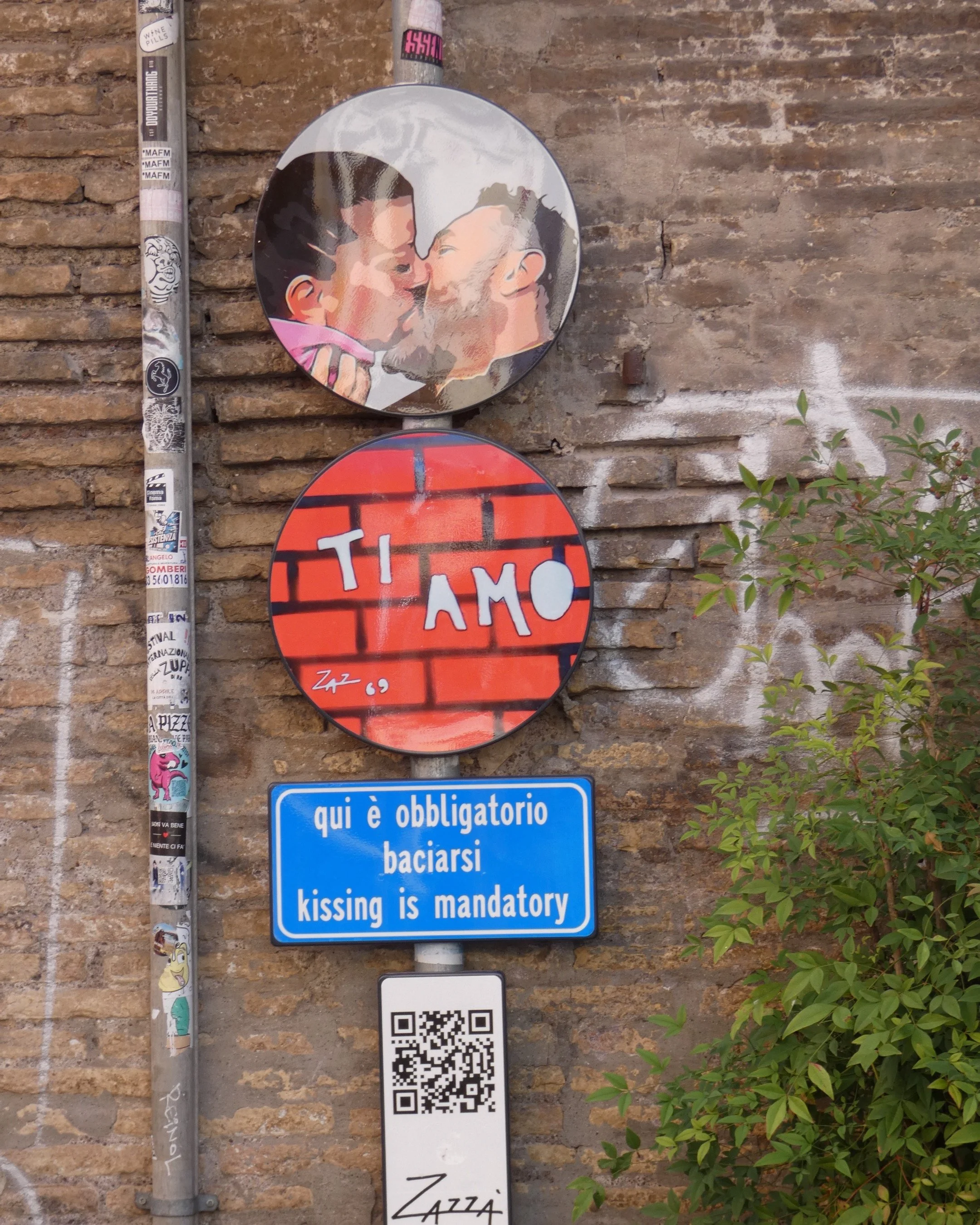
Through the eyes of an architect, I became fascinated by materials, proportions, and atmospheres. Through the lens of my camera, I found stories hidden in ordinary corners.
I know I'll keep returning to Rome.
Not to rediscover what I already know, but to continue searching for everything I haven't discovered yet: new places, new stories, and the countless details that make a city endlessly worth exploring.
