A field journal on the built environment, material traditions, and everyday life.
My first visit dates back to when I was just three months old.
Yet, in my mind, the "real" first time was on 20 December 2024.
Until then, my knowledge of Senegal had been limited to images and family photographs, without ever being able to imagine the reality that awaited me.
A direct flight from Rome. Nine hours in the air—ten with the inevitable delay—and suddenly I found myself on the other side of the world.
Born and raised in Italy to an Italian father and a Senegalese mother, I had long perceived Senegal as a distant and almost unreachable place. My understanding of its culture remained limited by the environment in which I grew up, and throughout my childhood and adolescence I travelled very little outside my home country.
It was only as an adult that I was finally able to discover Senegal for myself. More than a simple journey, this trip became an immersion into my mother's past and a search for my own identity. I experienced it through a dual perspective: the wonder of a child rediscovering her roots, and the curiosity of an Interior Architecture student.
As I travelled across the country, my years of study at the Academy of Fine Arts naturally led me to observe my surroundings more closely.
Every building and every house sparked my curiosity. I found myself trying to understand the essence of these spaces—the way they were built, their intrinsic qualities, and their vulnerabilities. I wondered about the people who shaped these places and, above all, about the lives of those who inhabit them.
I believe that understanding the construction principles specific to Senegal can help me better appreciate aspects of design that sometimes take a secondary role when I conceive or draw a project: thermal comfort, natural ventilation, and the way a home should function to provide a comfortable environment for those who live in it.
Following two short stays in 2024 and 2025, I set out to capture the essence of this country and to better understand the forces that shape its architecture.
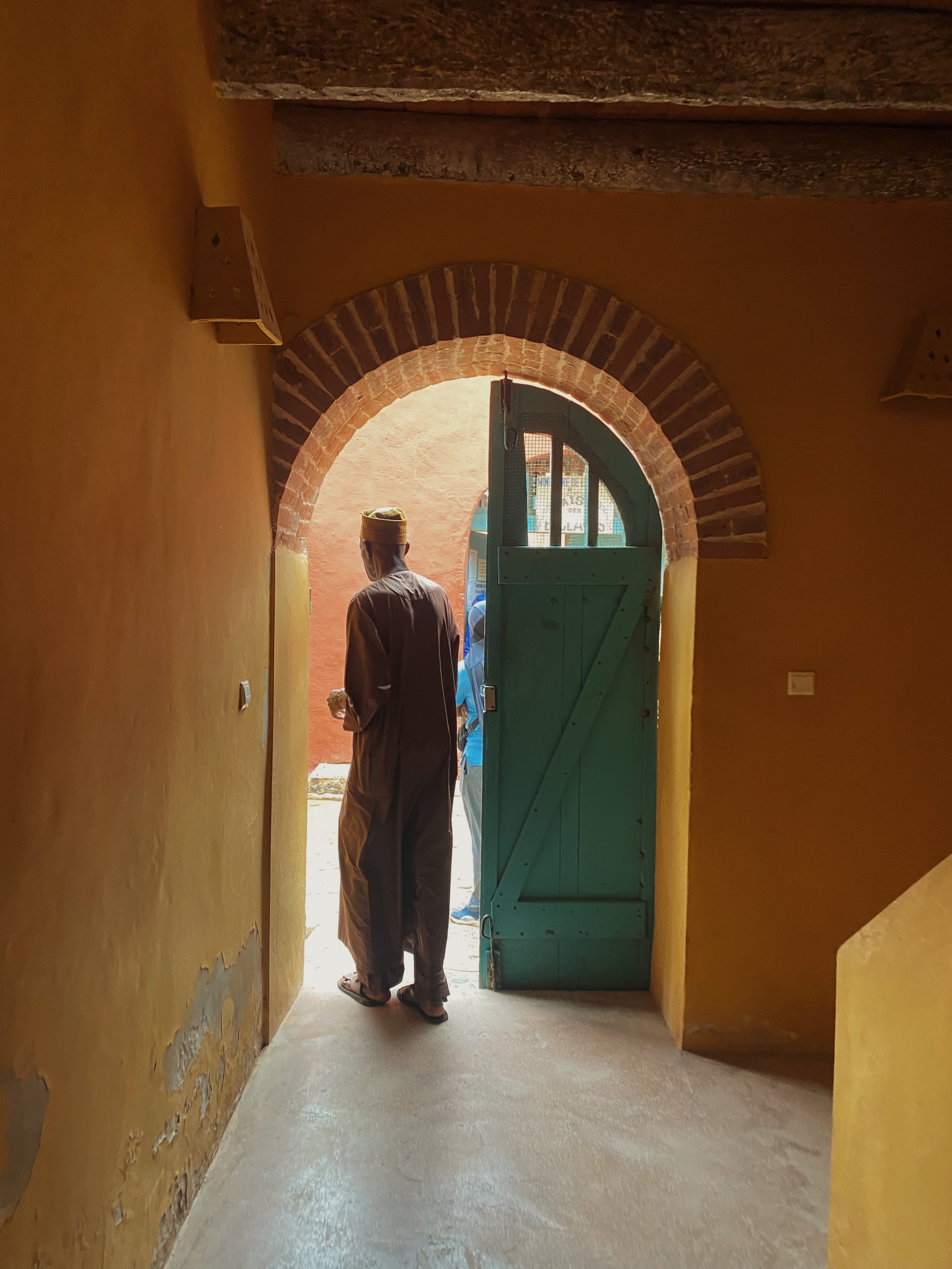
I explored places that gradually transformed my observations into research. Among them, Gorée Island became a defining point of departure. Its ochre façades, pastel colours, layered urban fabric, and complex past revealed an architectural landscape shaped by history.
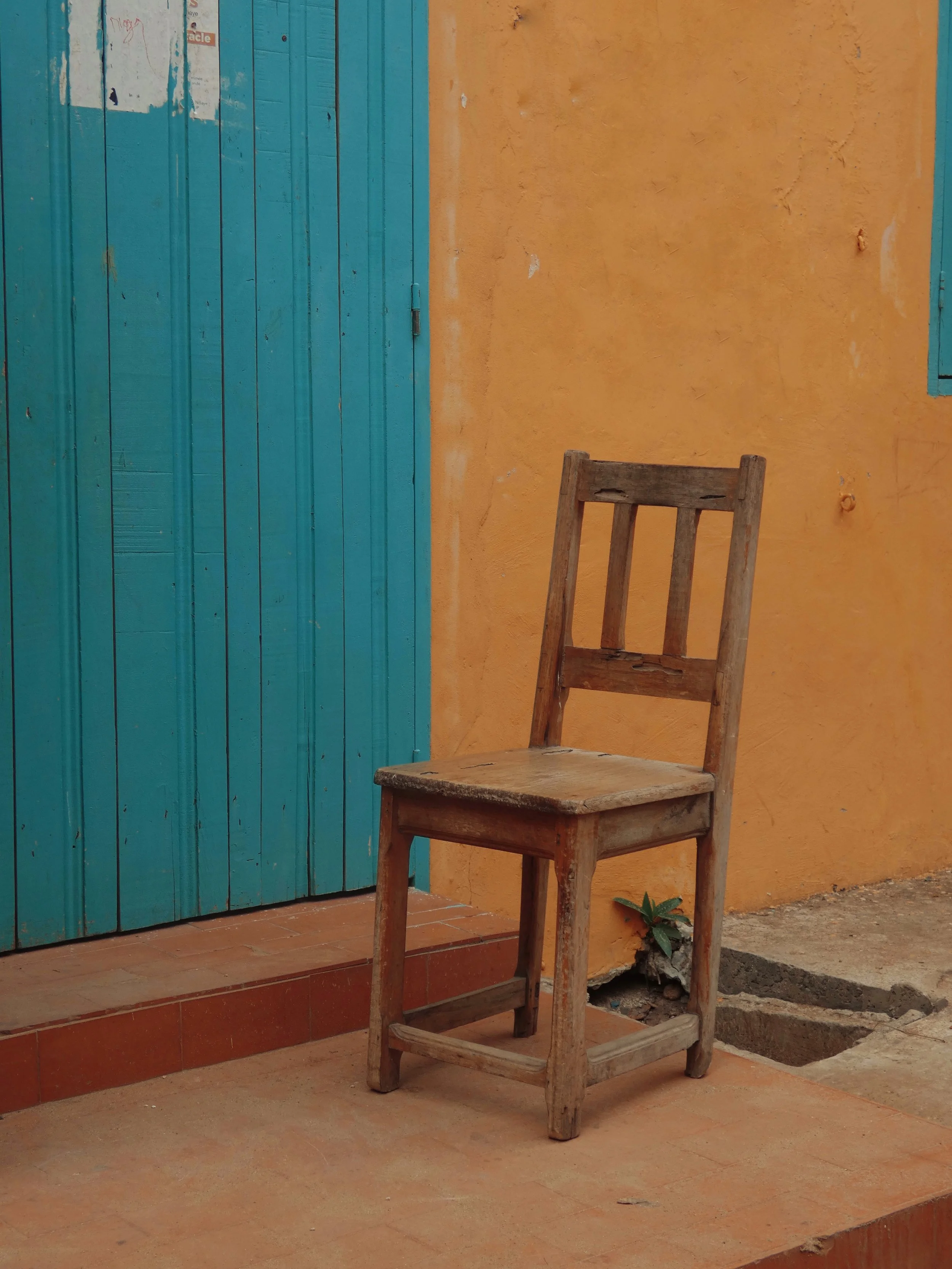
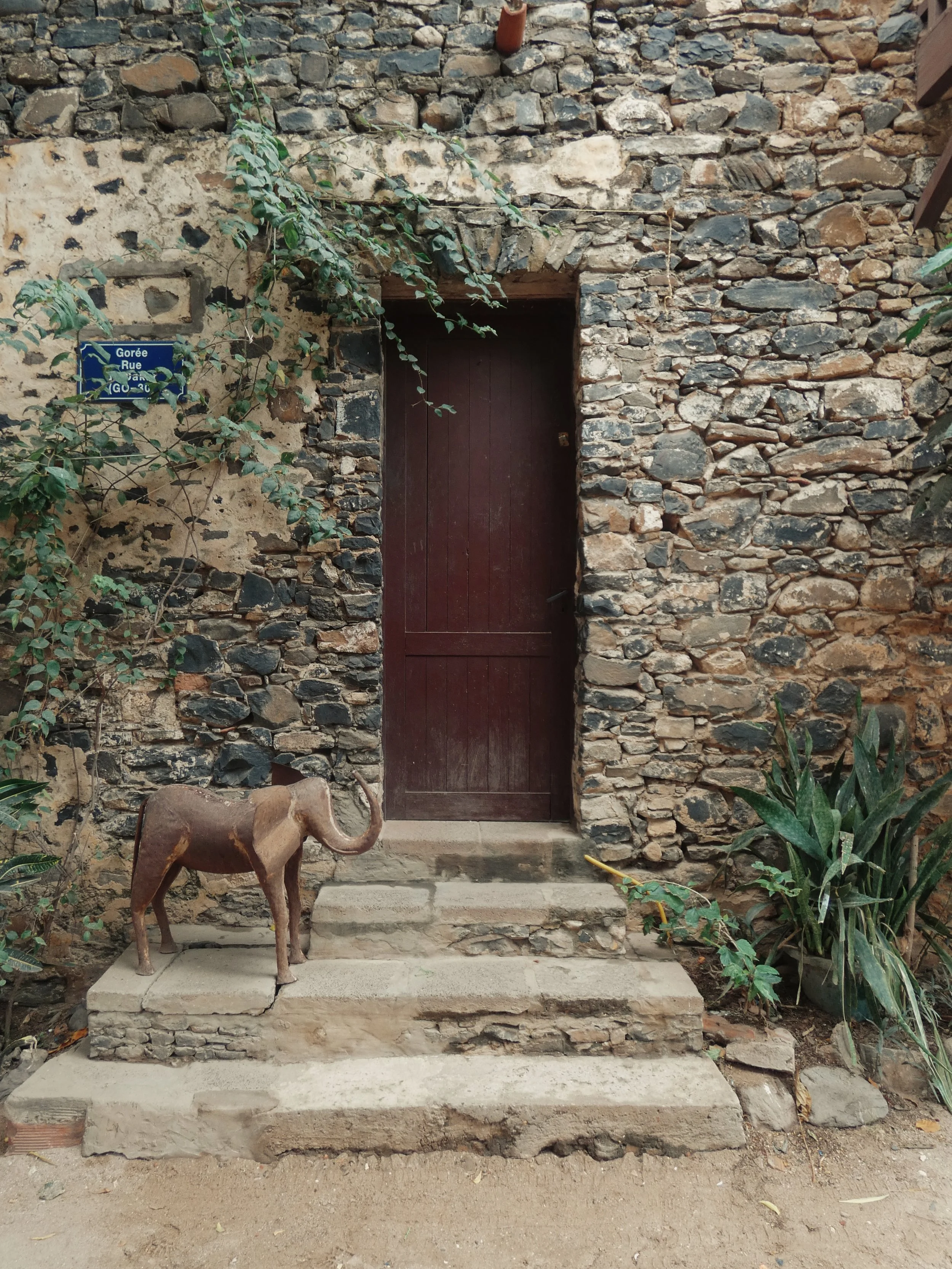
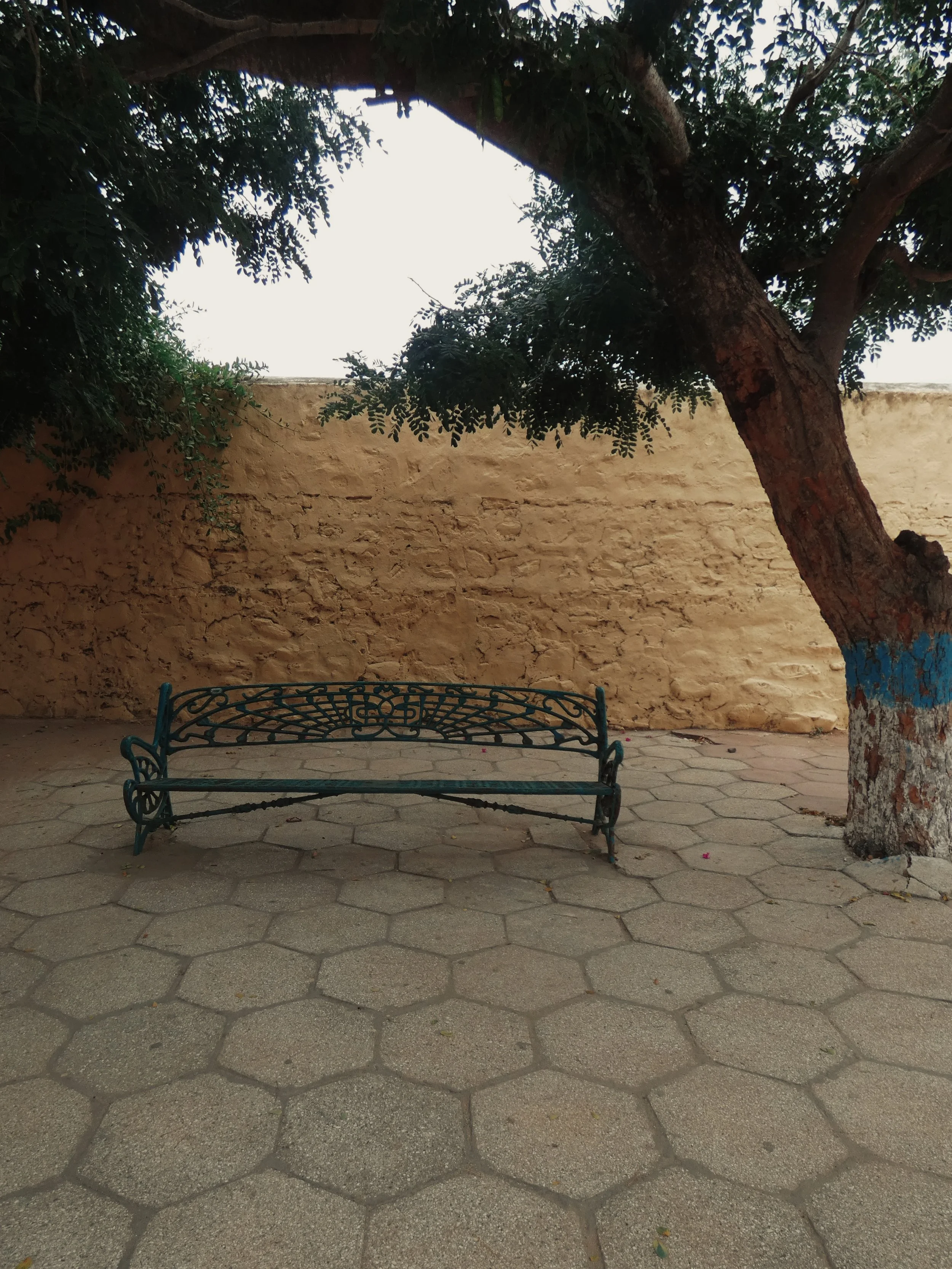
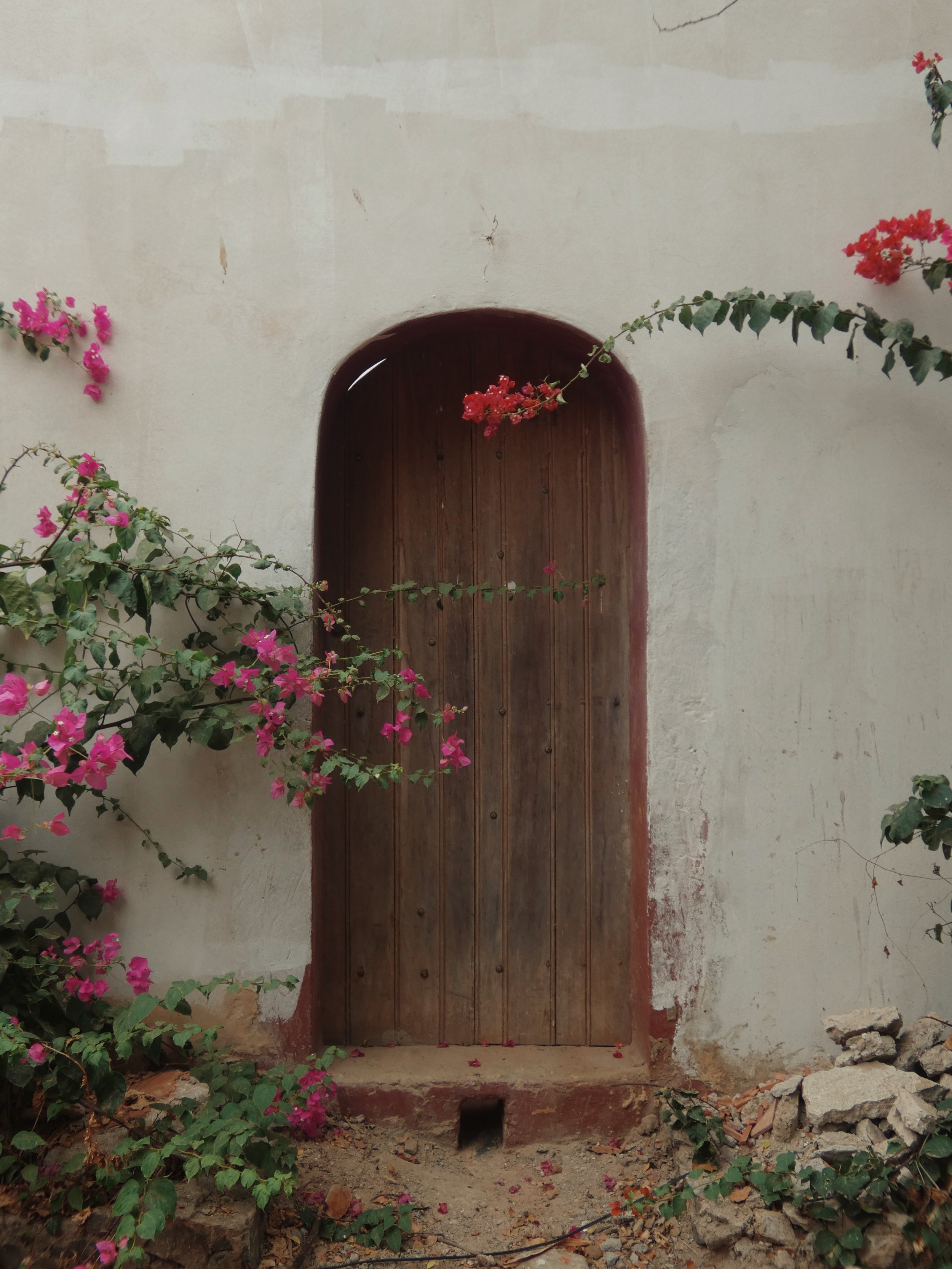
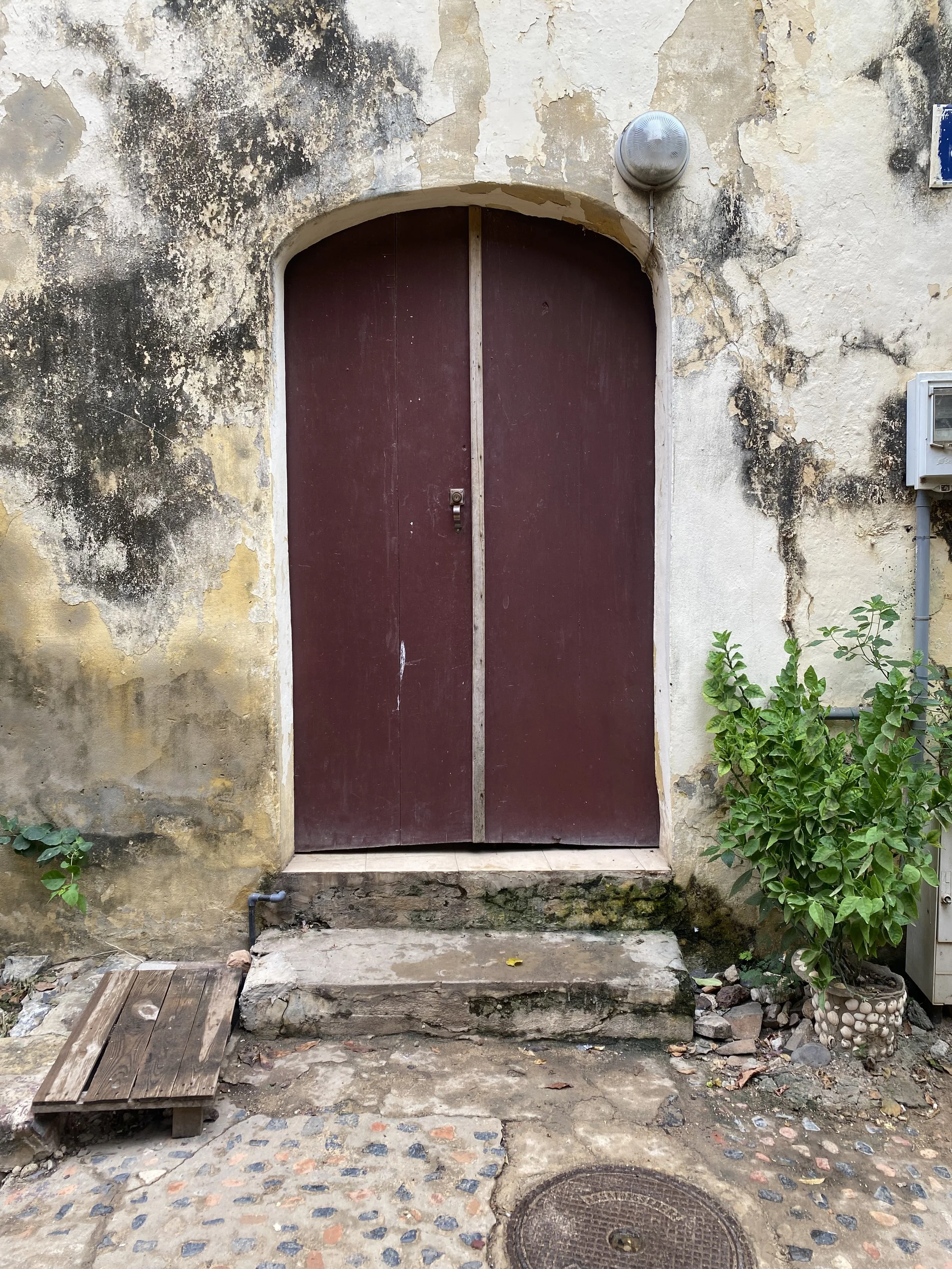
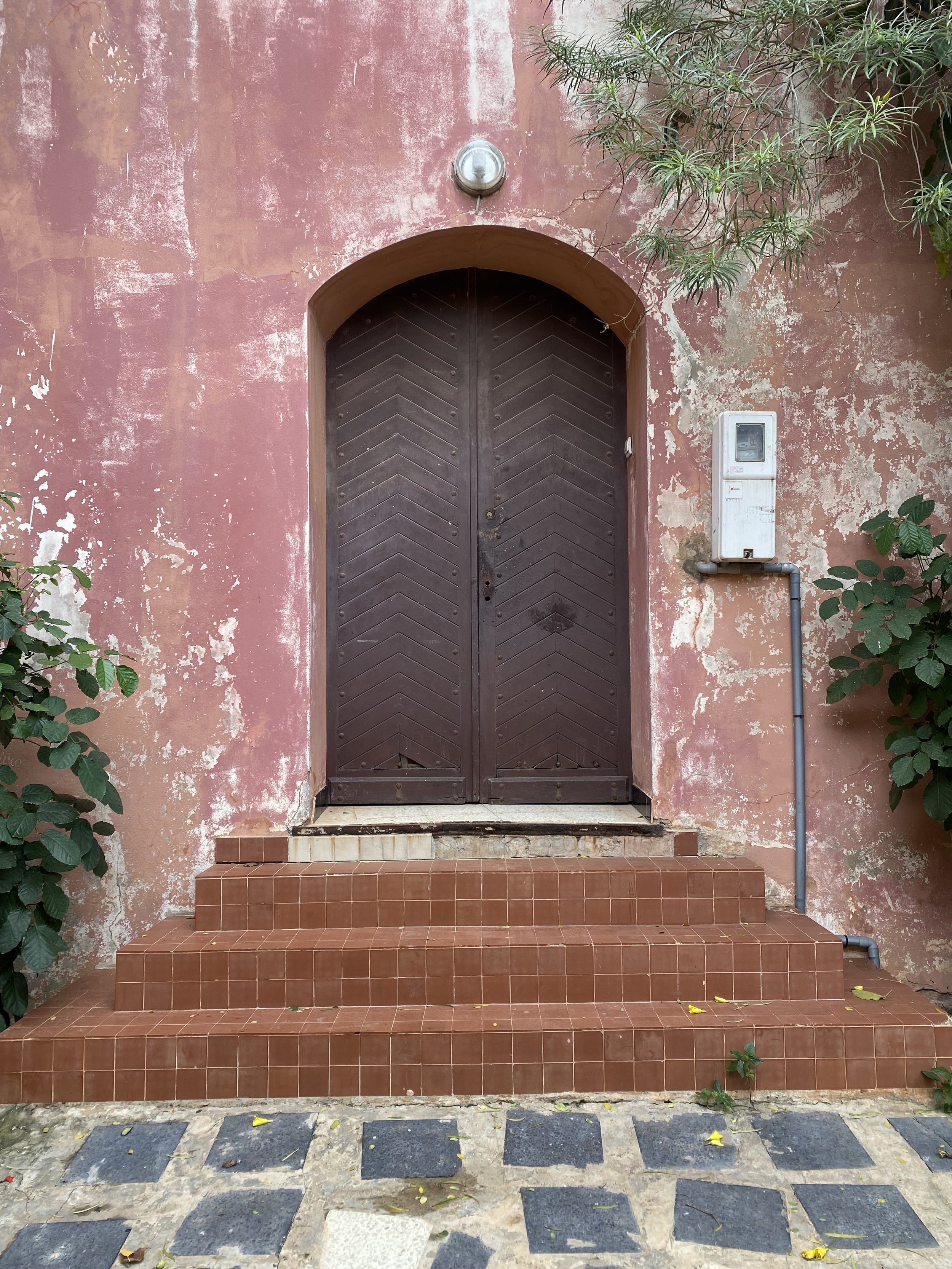
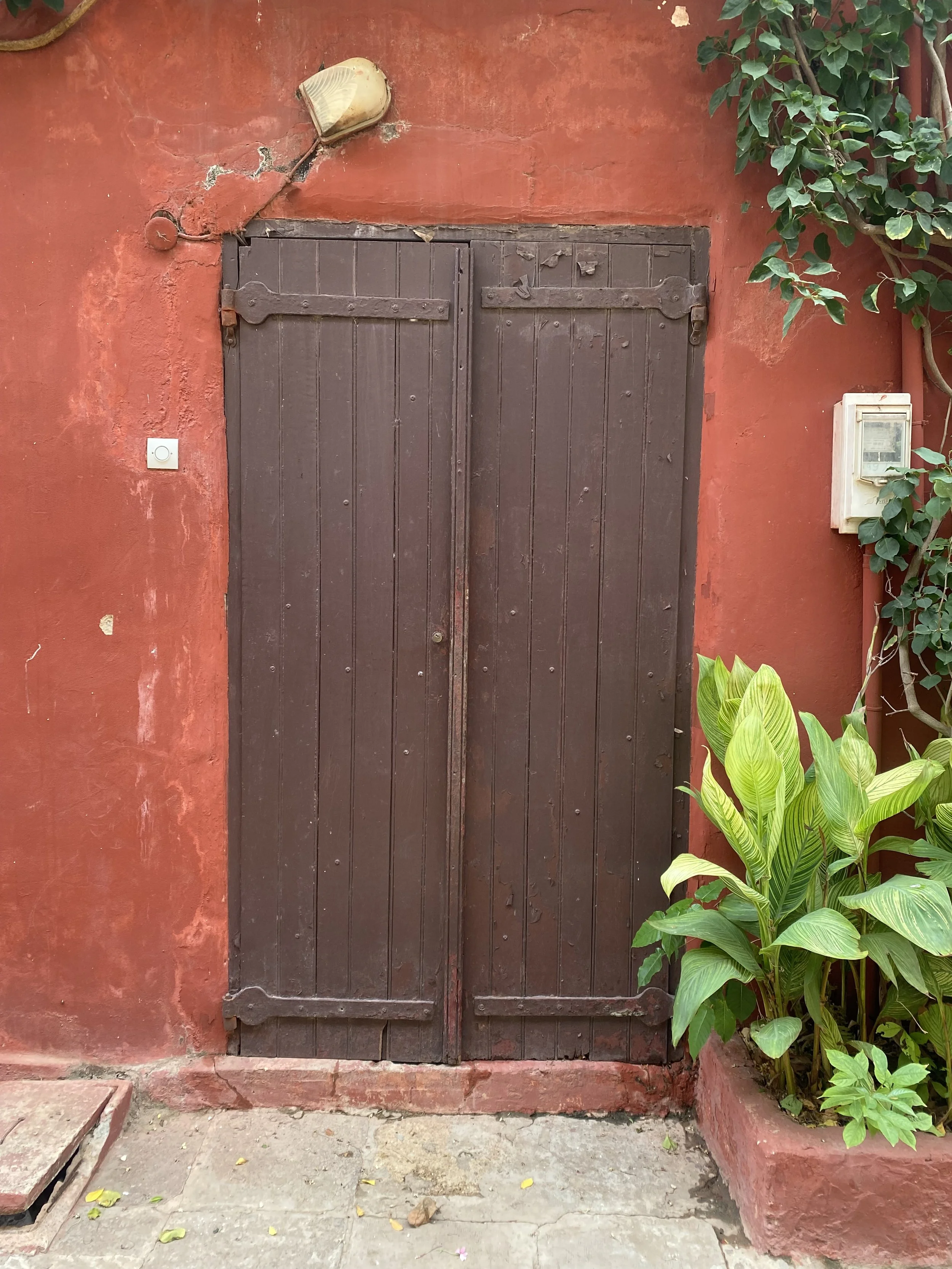
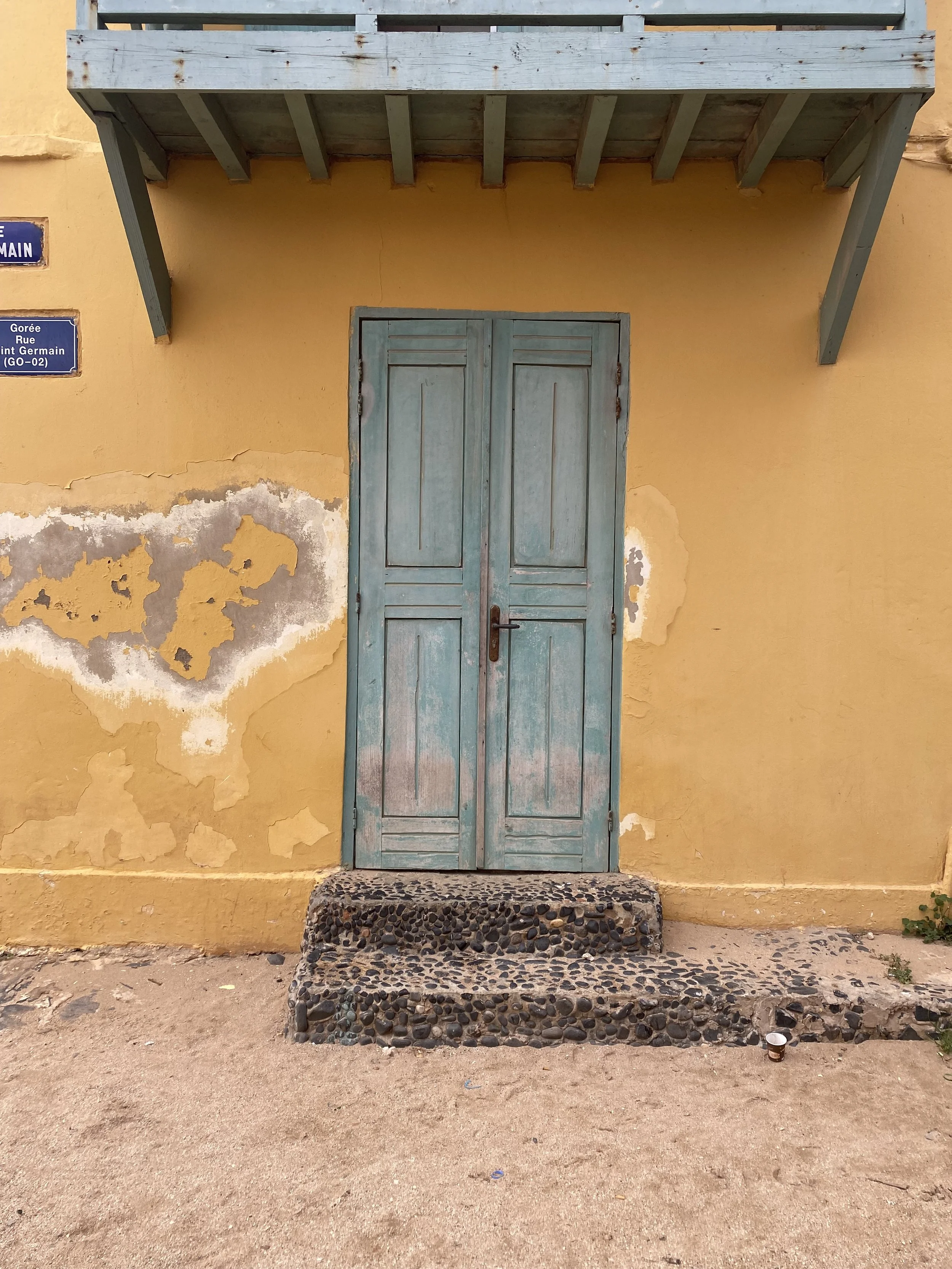
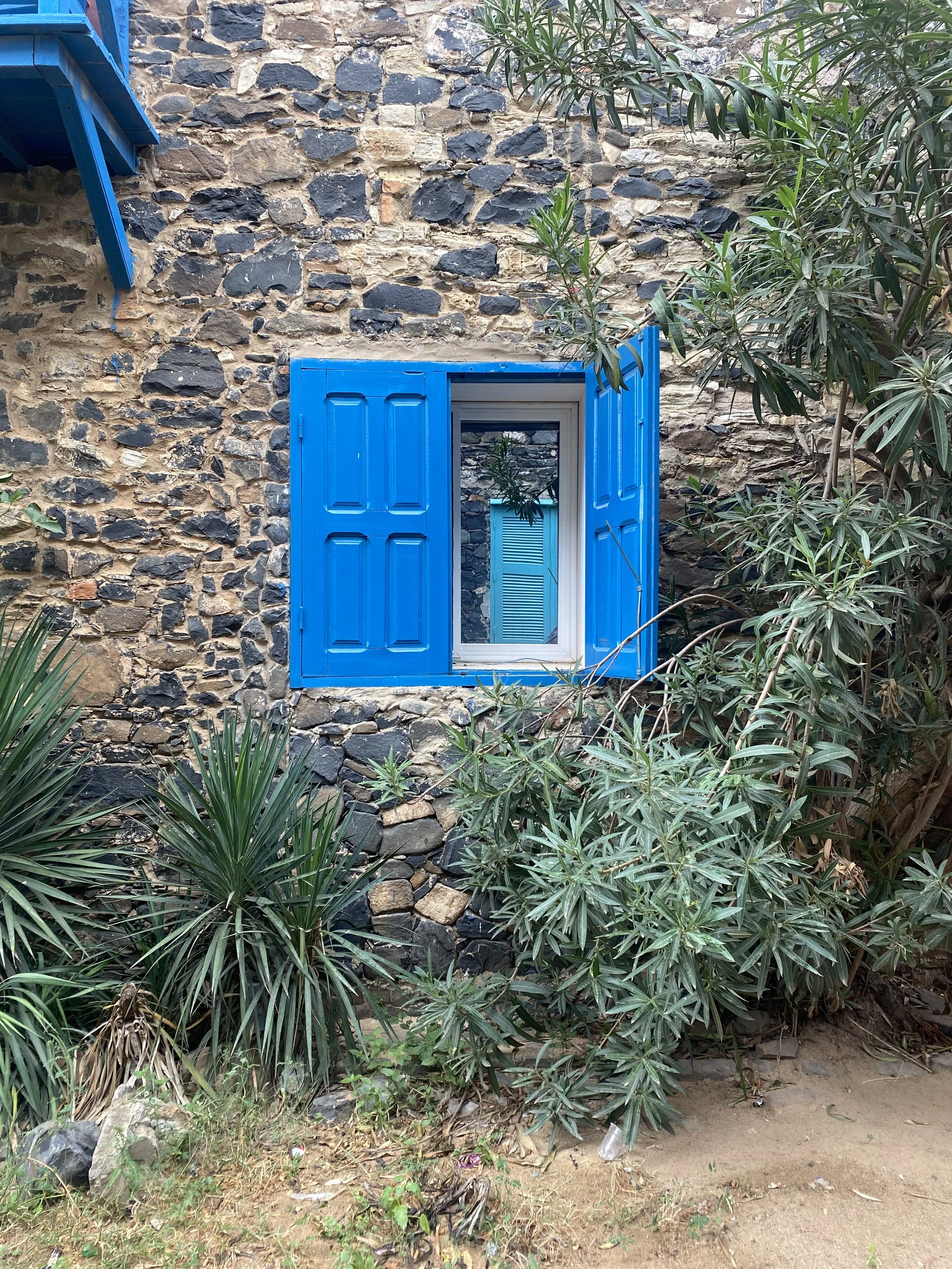
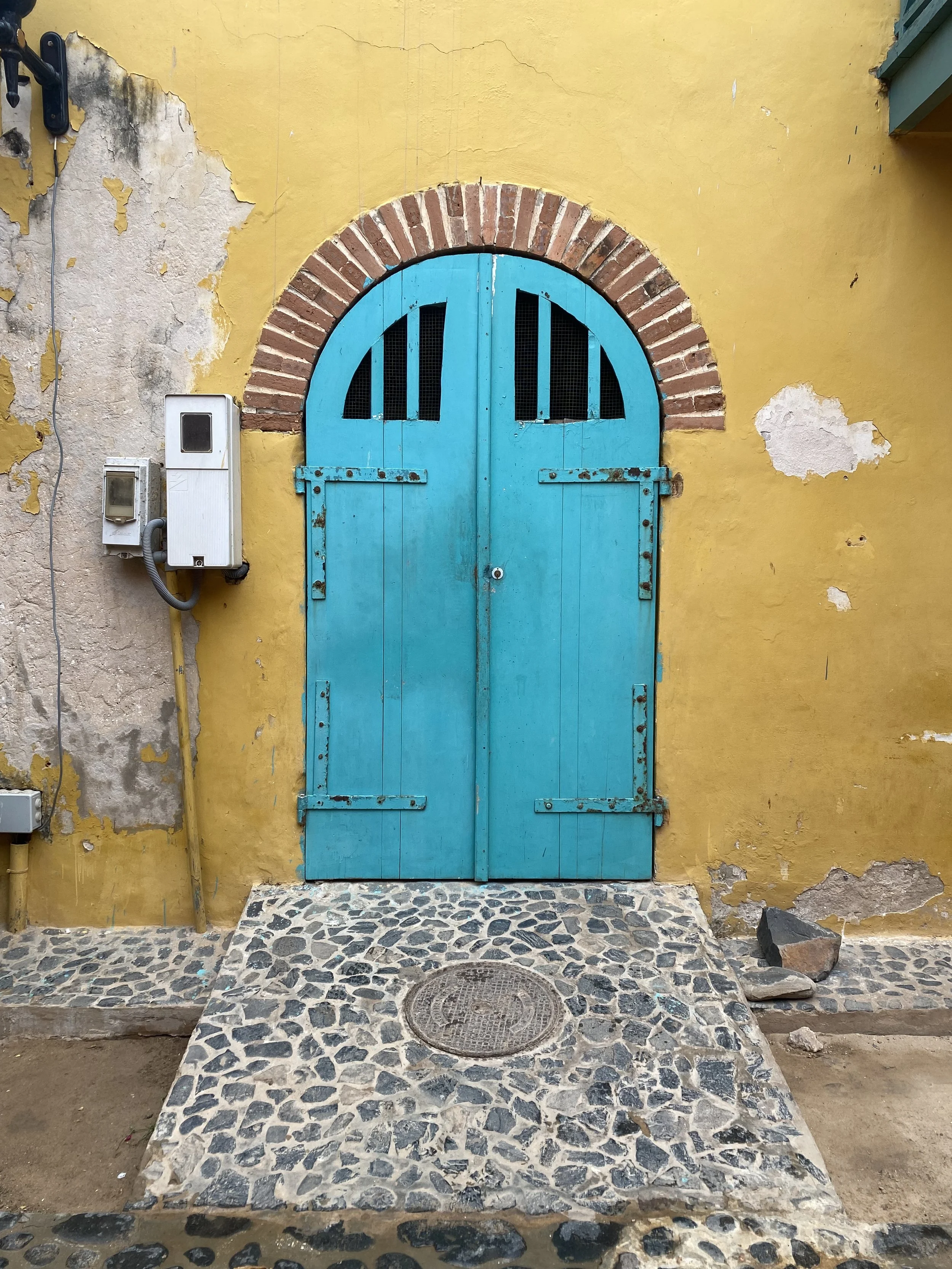
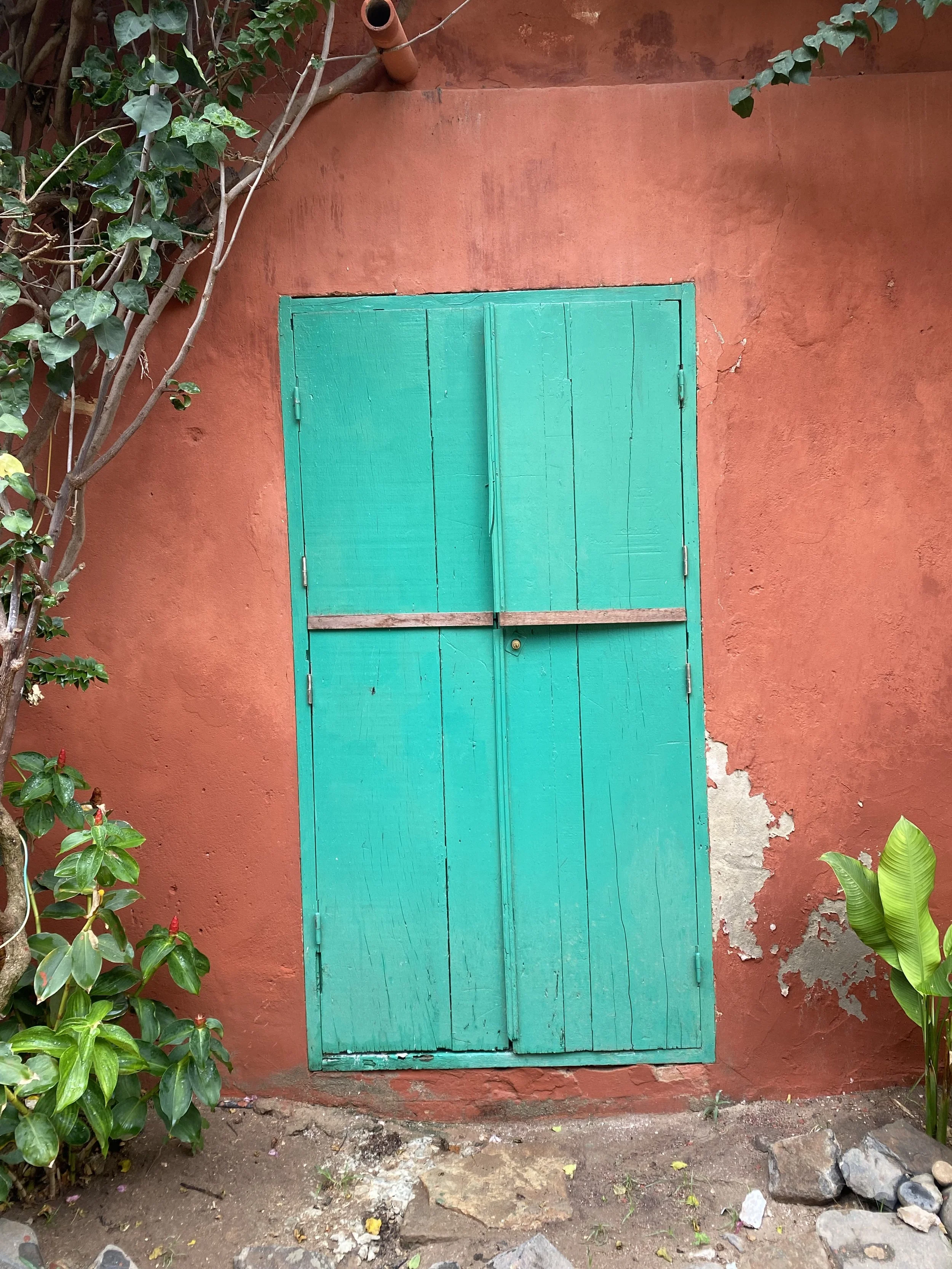
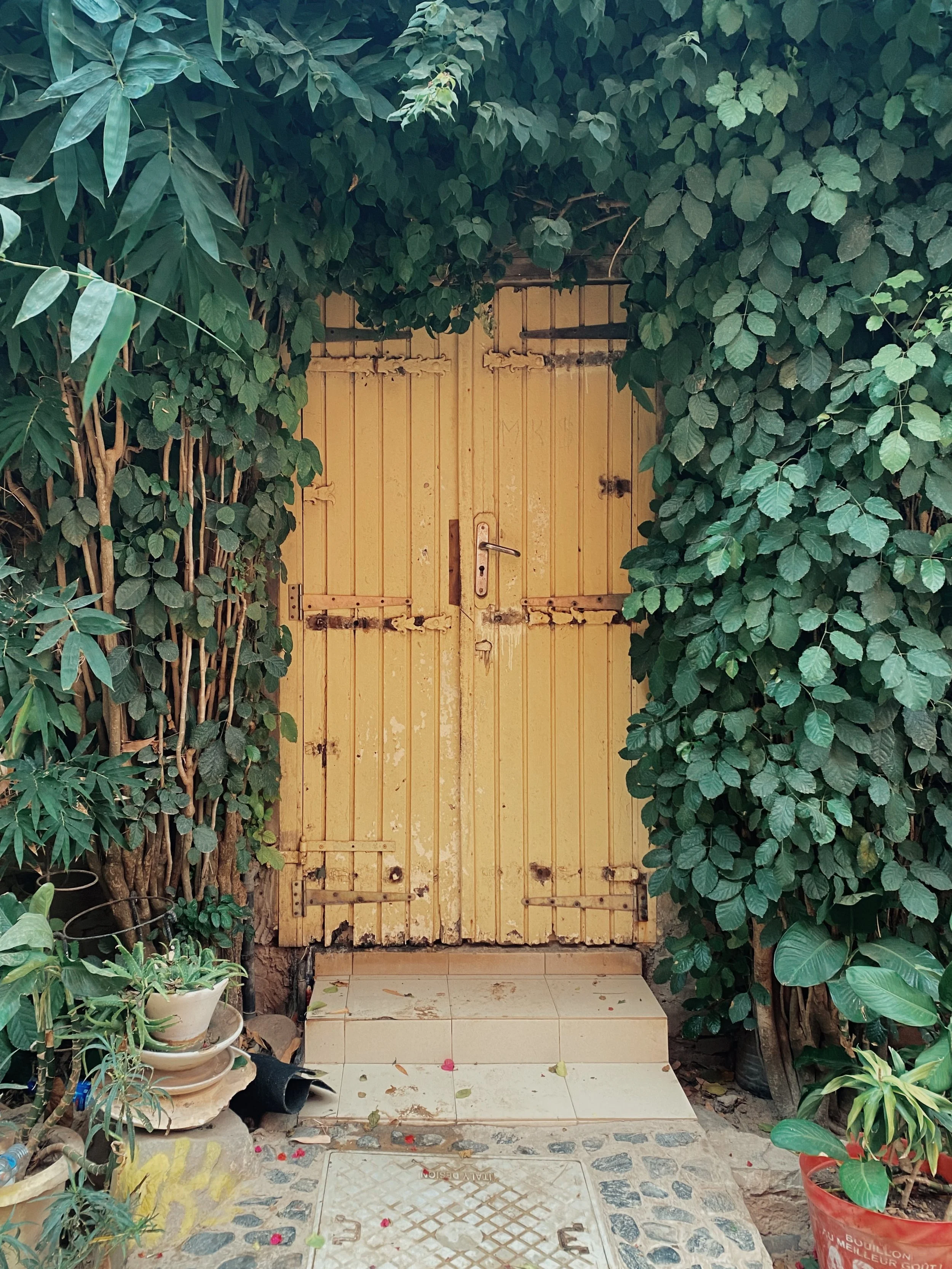
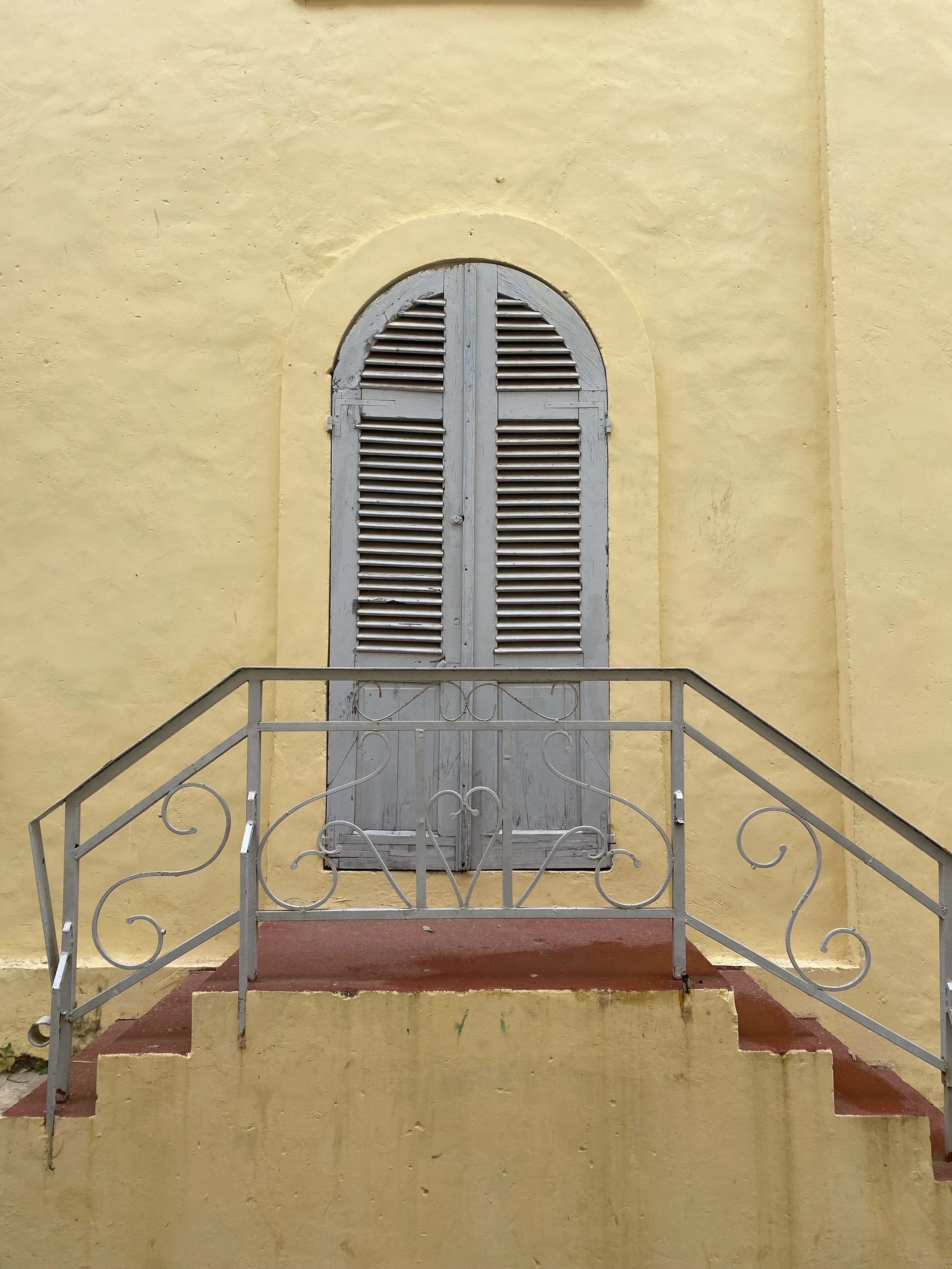
On Gorée Island, exchanges with local historians, artists, craftspeople, and members of the Gorée Foundation revealed the cultural and historical layers embedded within its built environment.
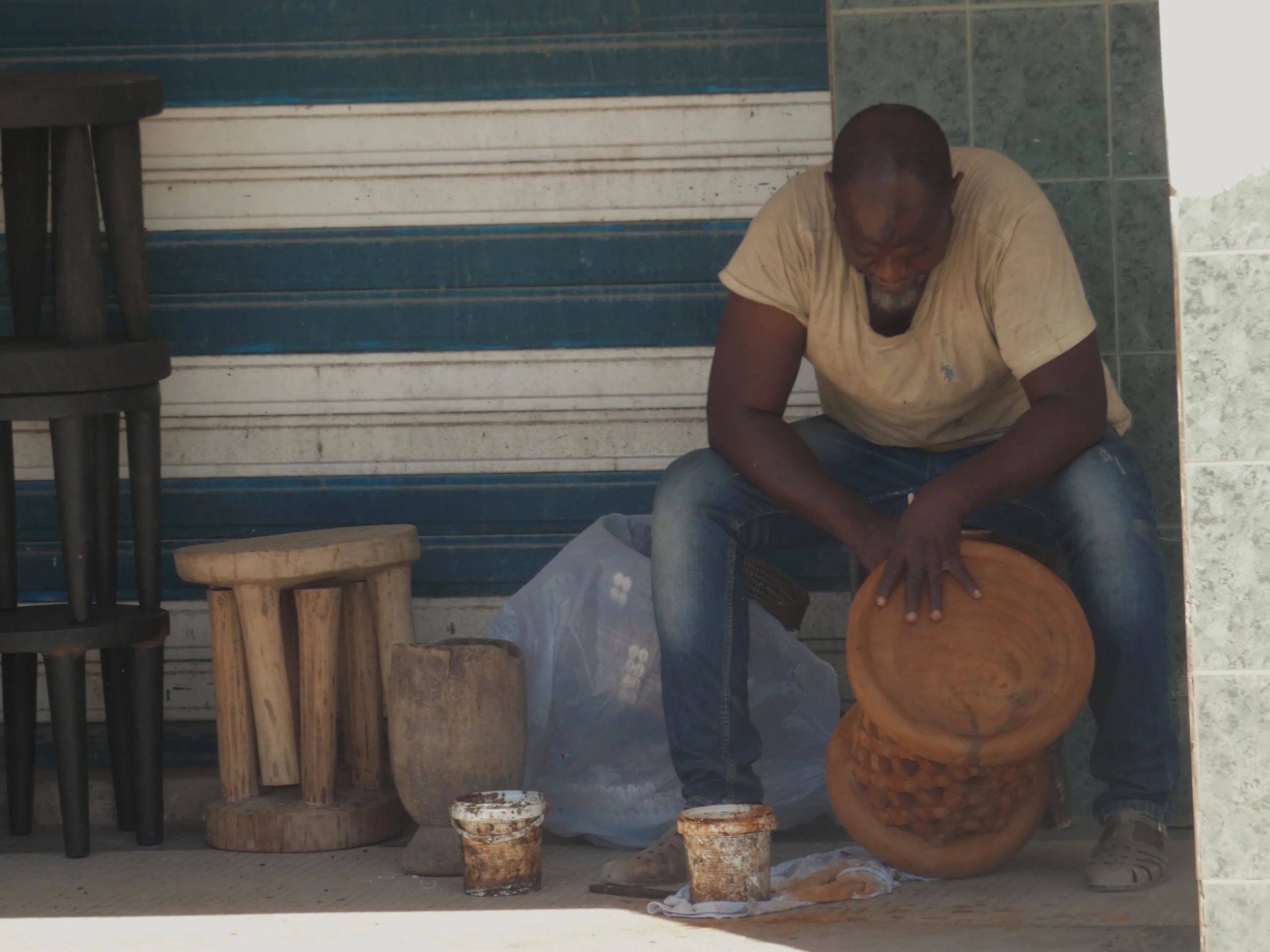
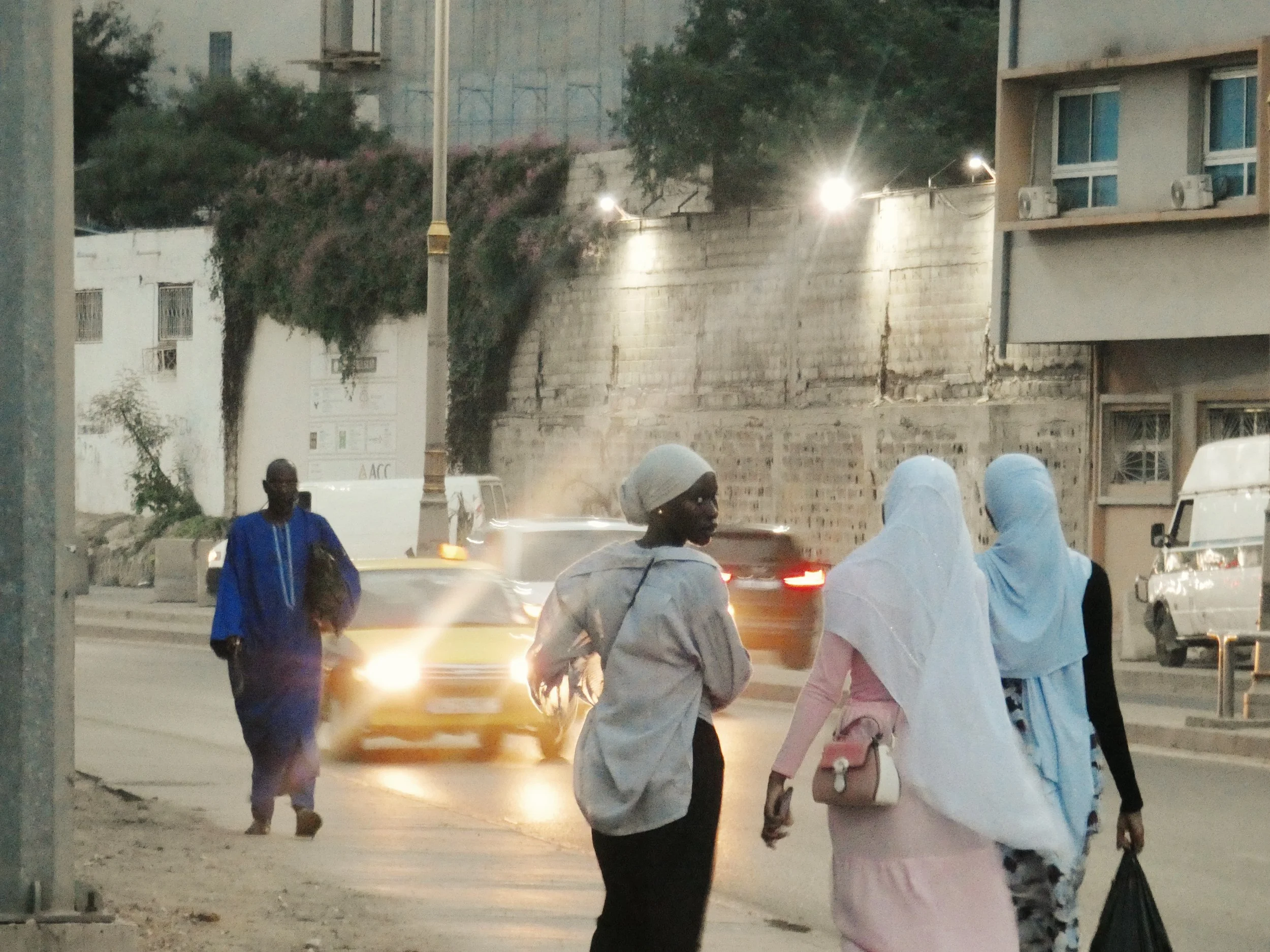
From Gorée, my journey continued through Dakar, where I wandered through neighbourhoods, mosques, markets, and public spaces. Rather than approaching these places as destinations, I experienced them as living environments, allowing everyday rituals, local customs, and human interactions to shape my understanding of the city.
Observing architecture in Senegal meant looking beyond buildings themselves. It meant paying attention to the relationship between climate and construction, between materiality and craftsmanship, between domestic life and collective identity. Each encounter reinforced the idea that architecture cannot be separated from its cultural, social, and environmental context.
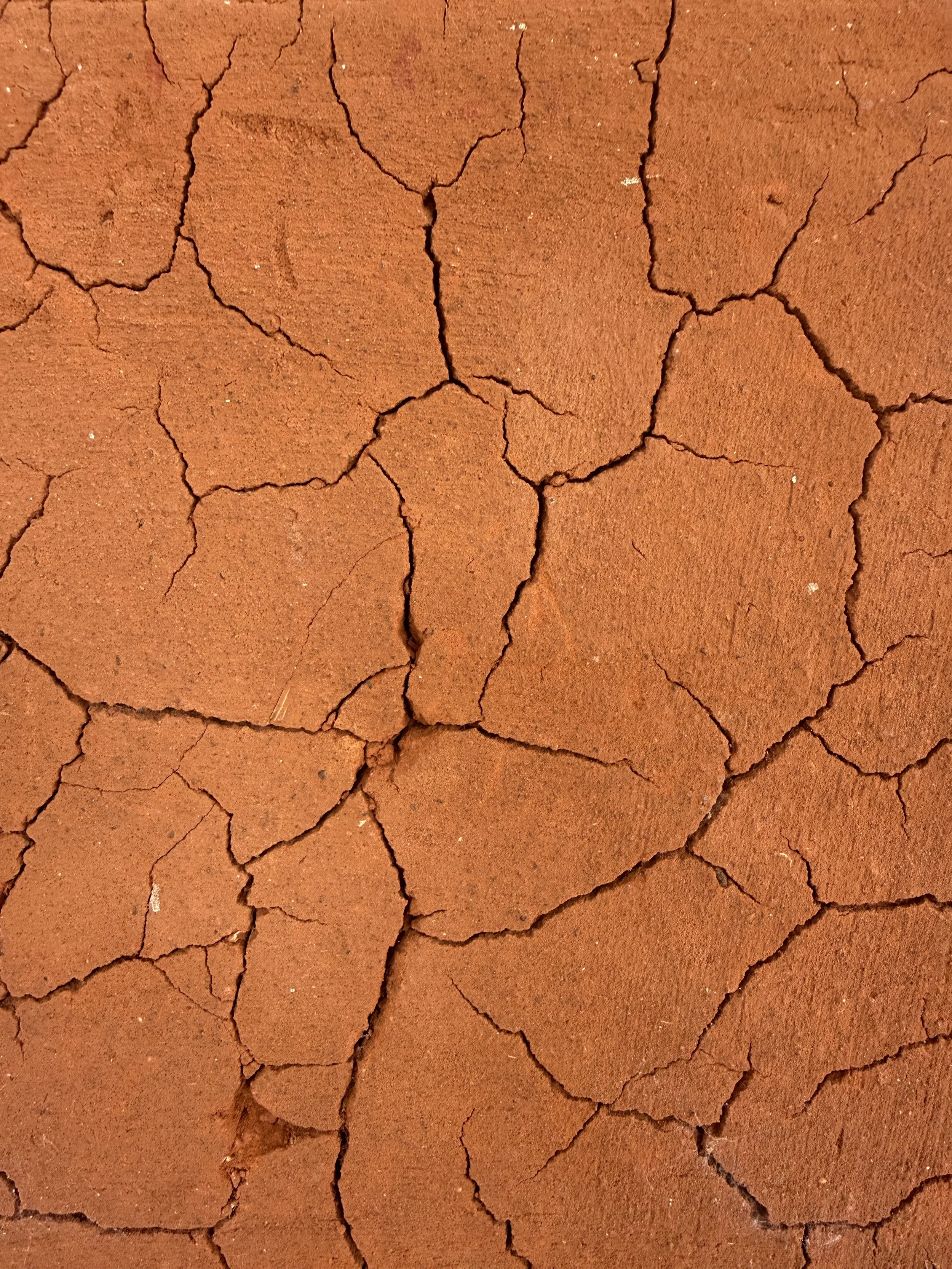
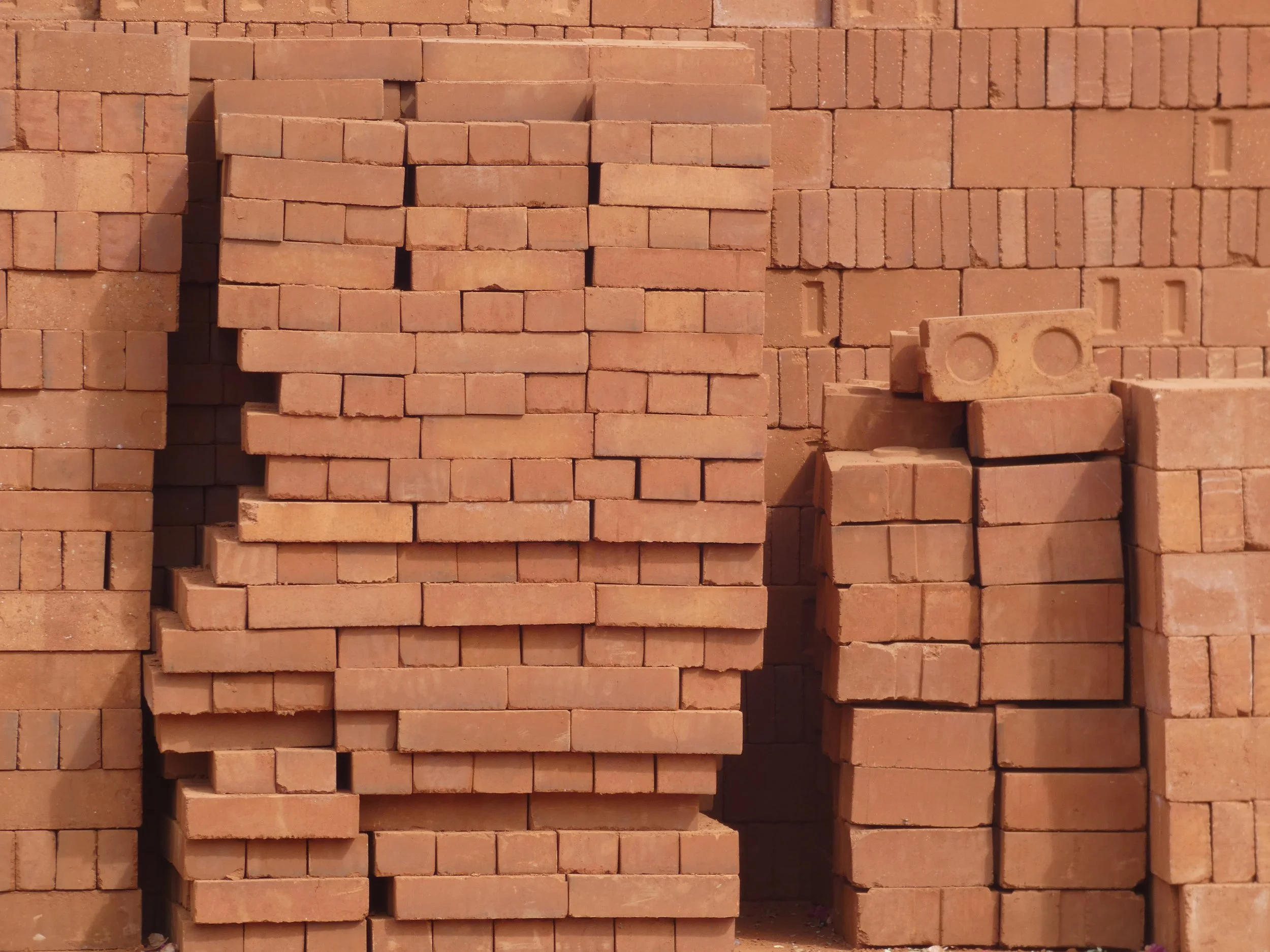
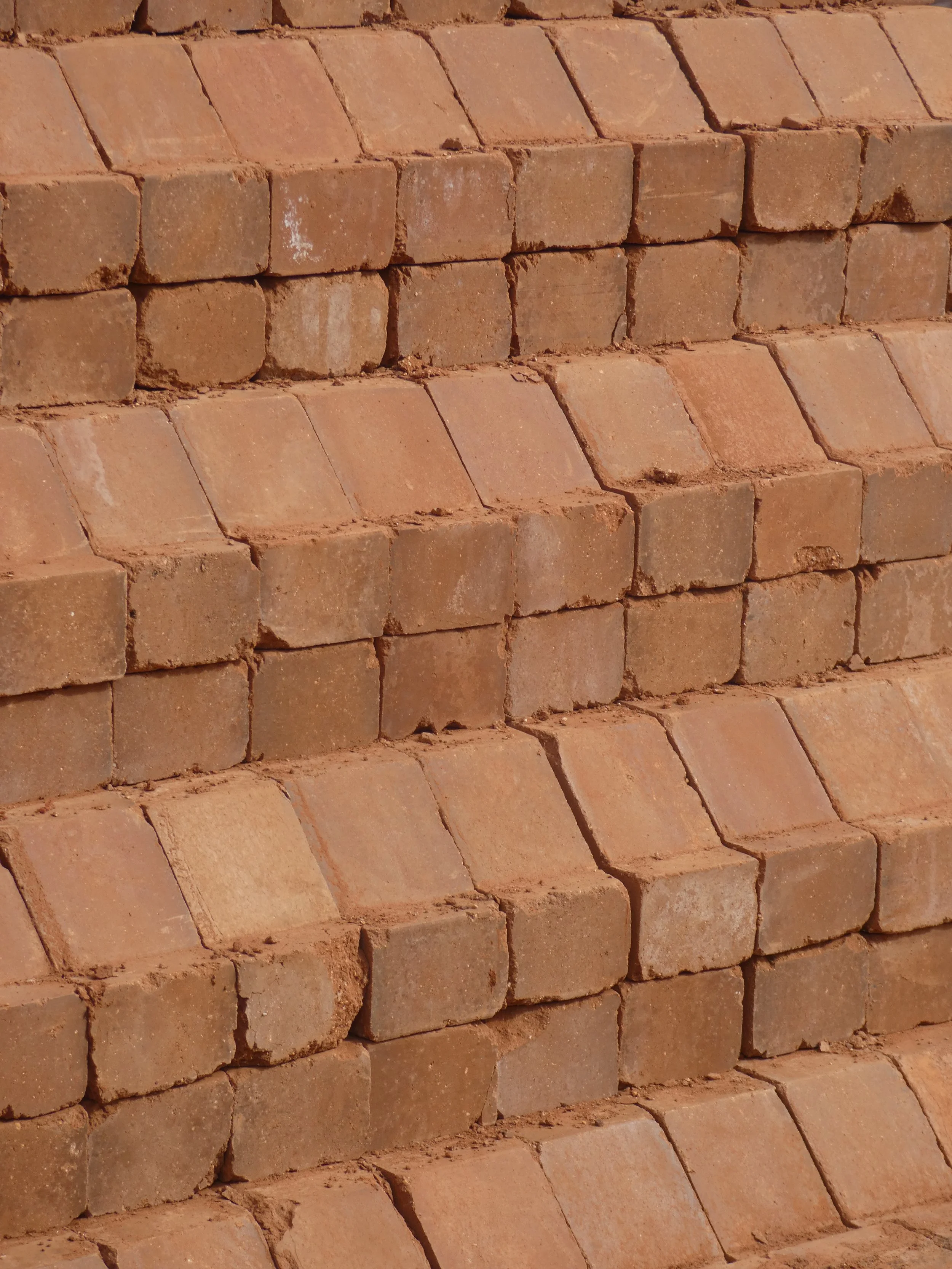
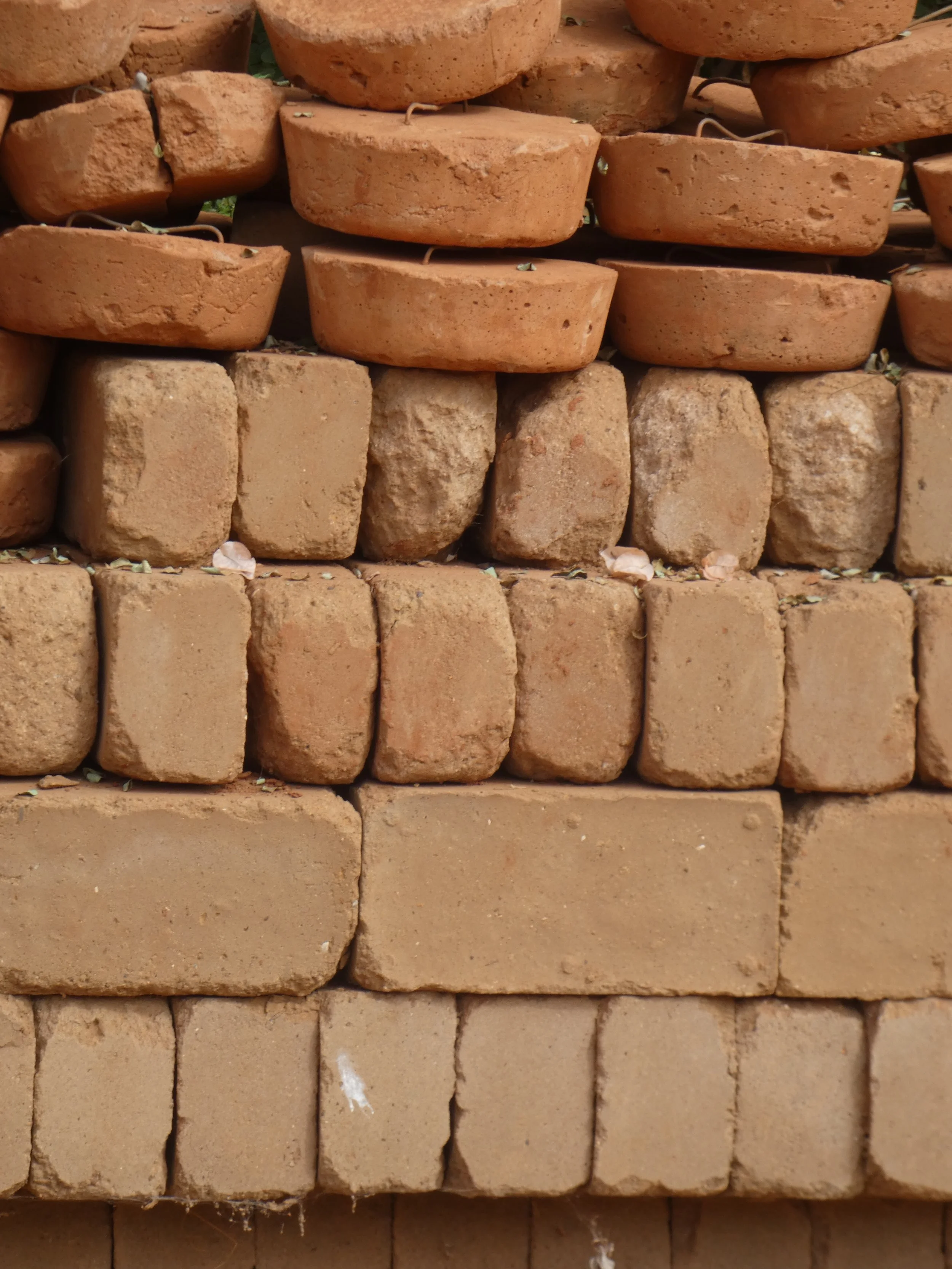
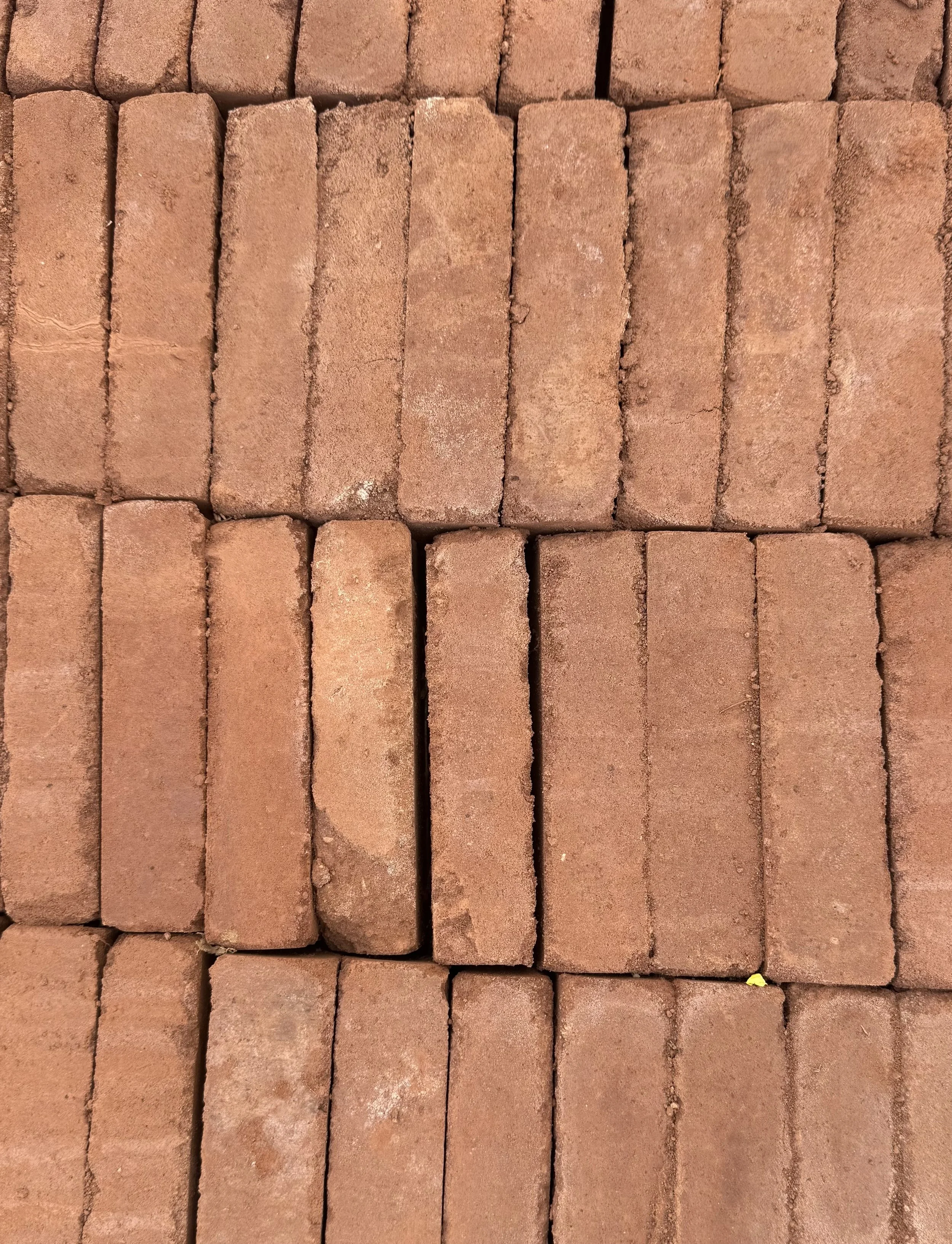
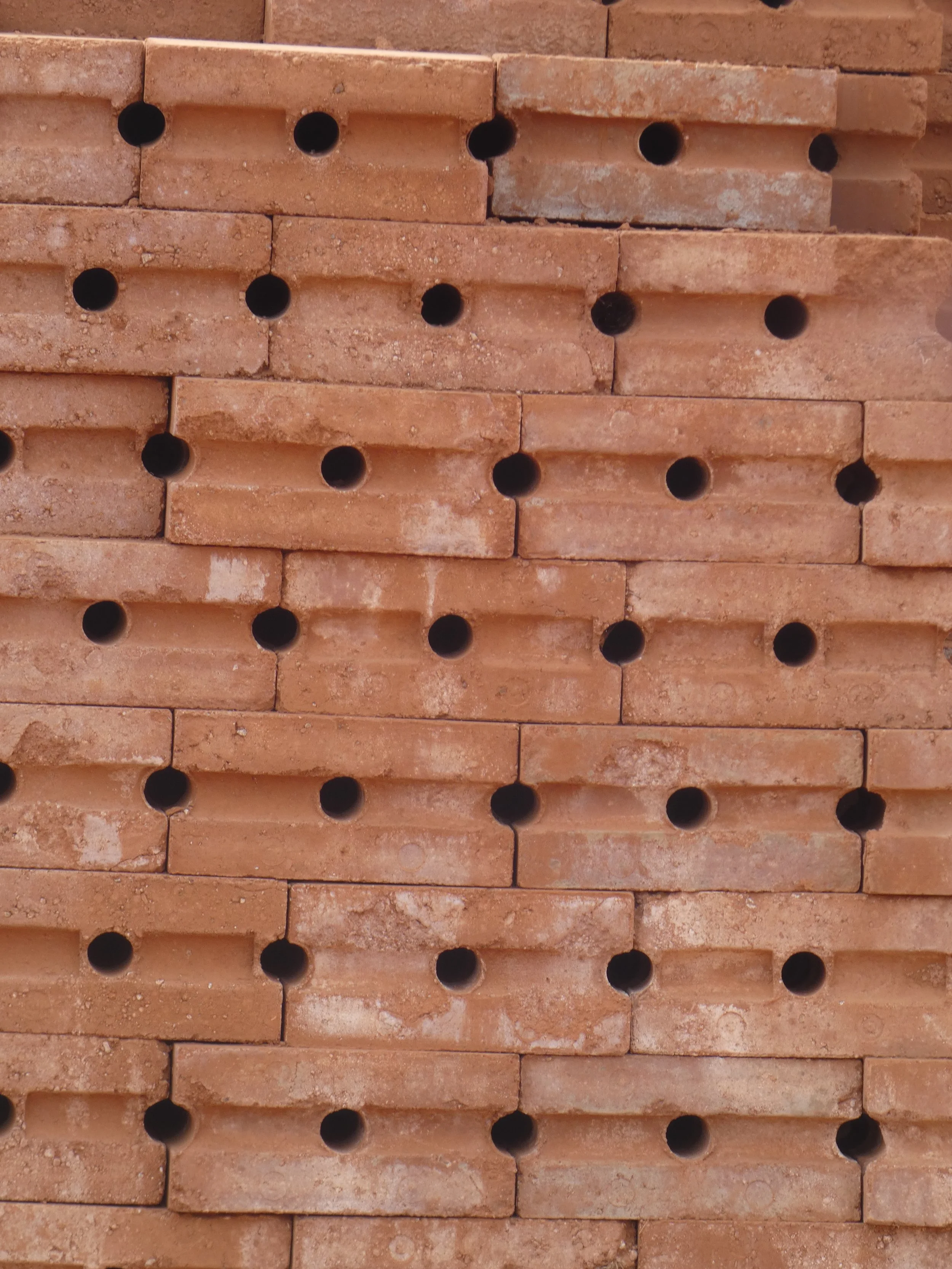
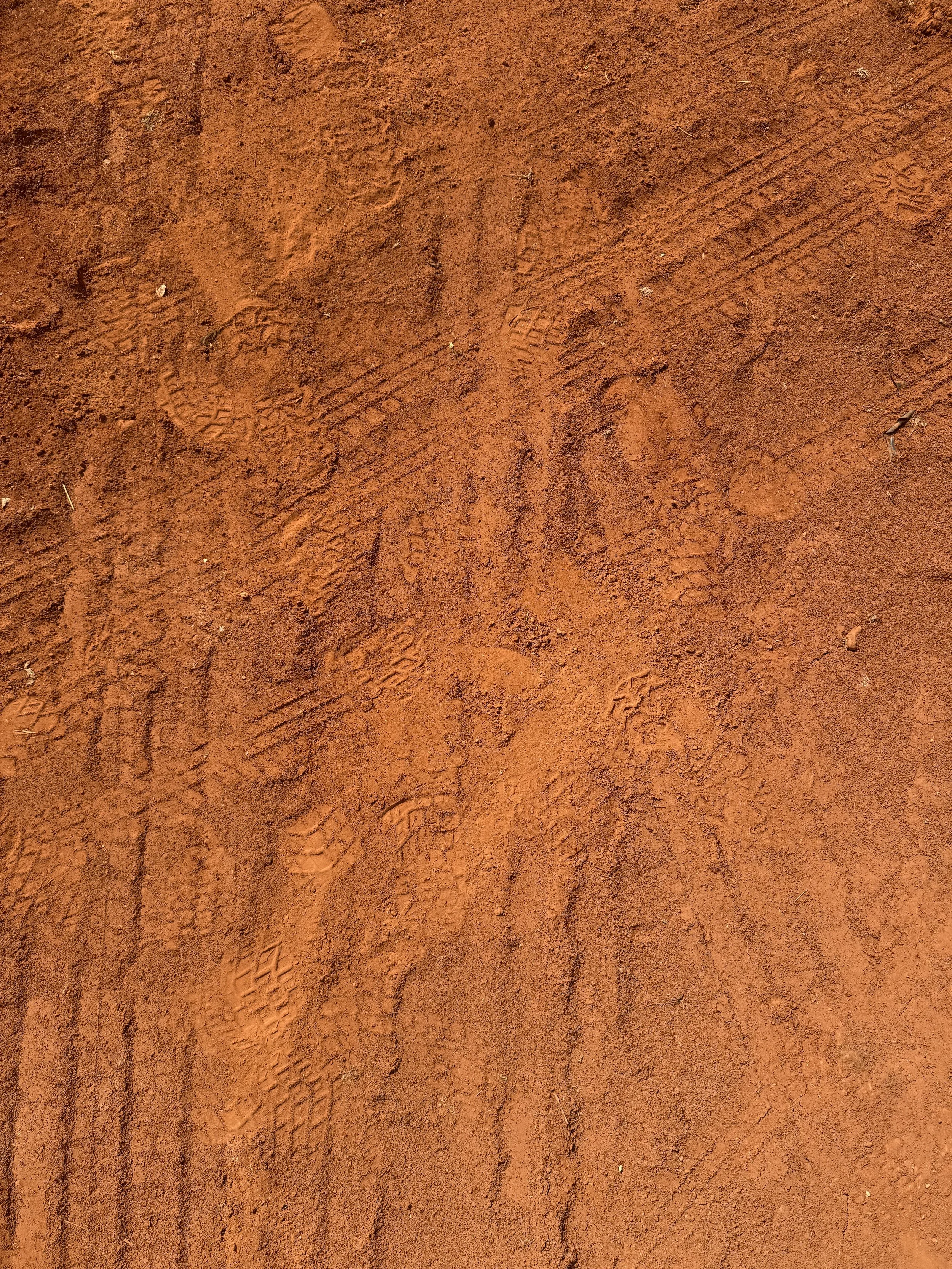
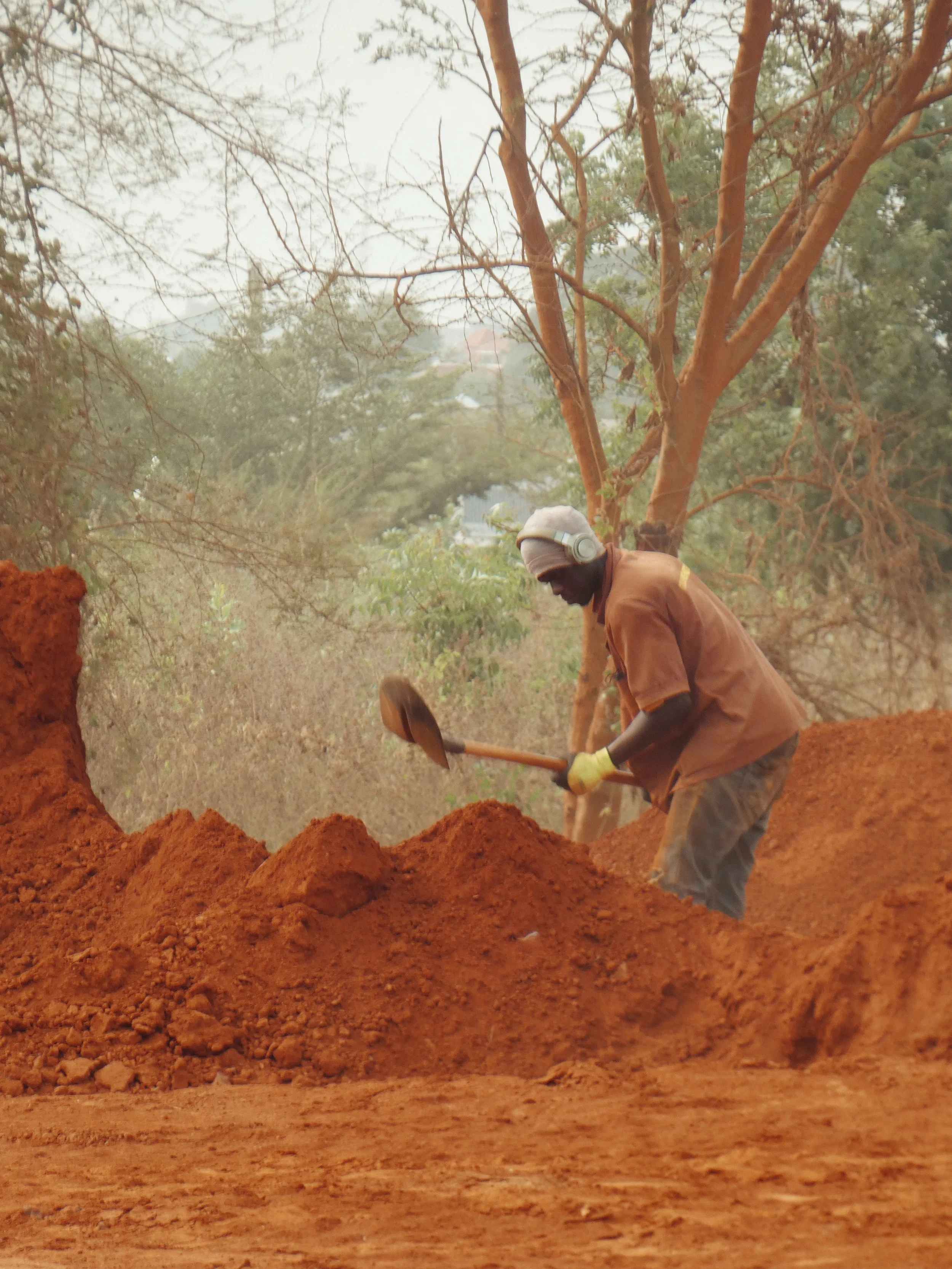
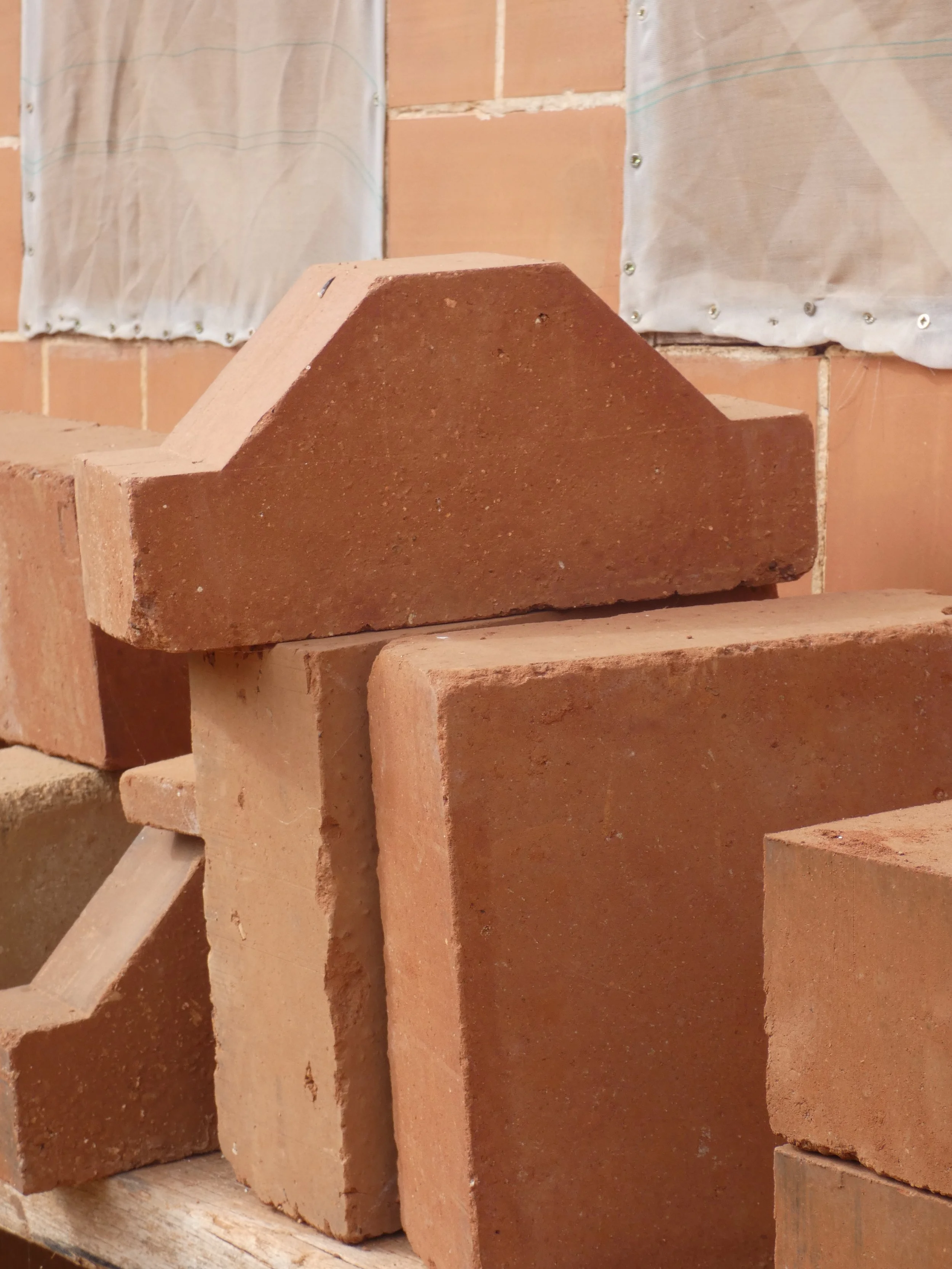
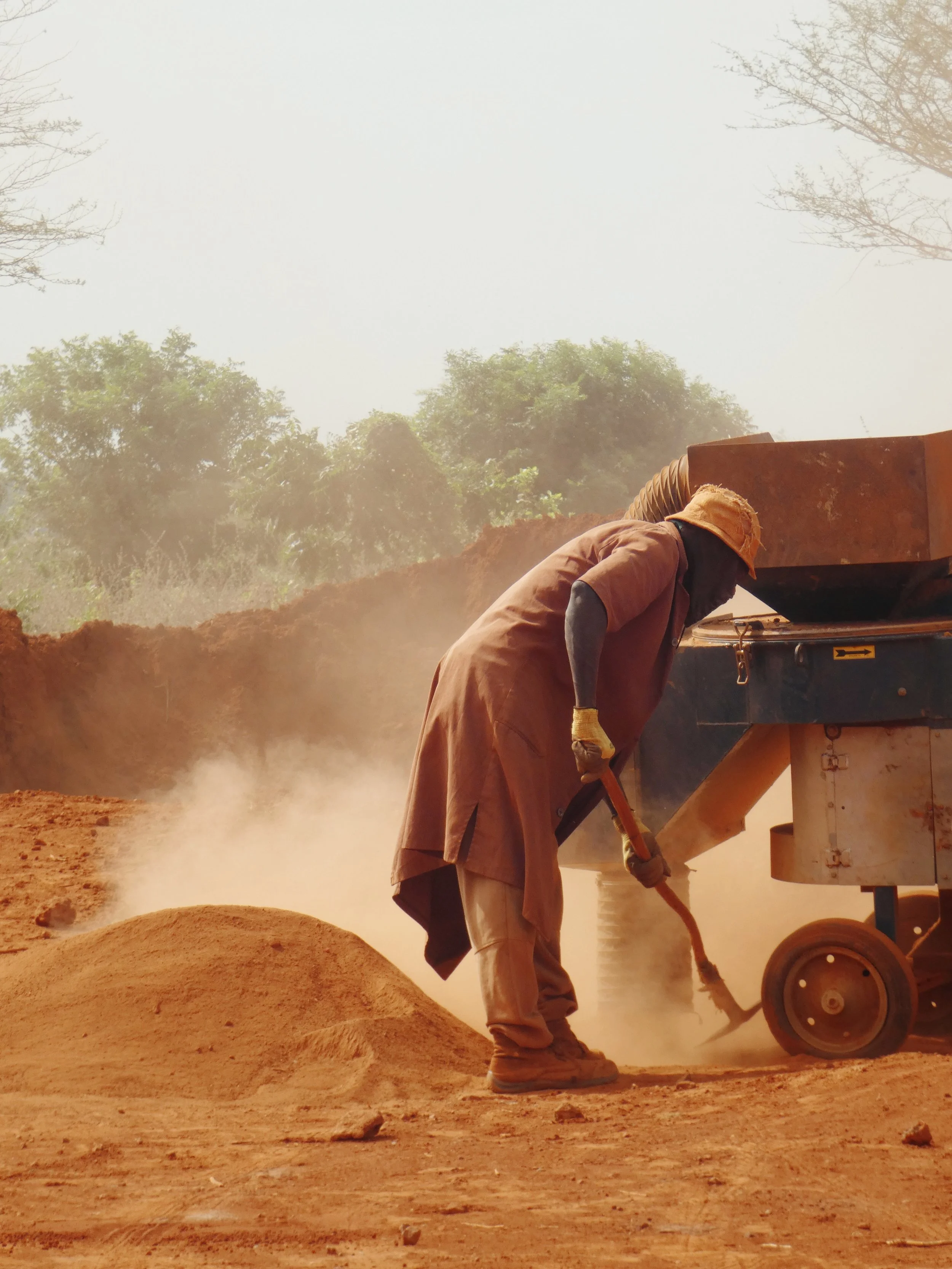
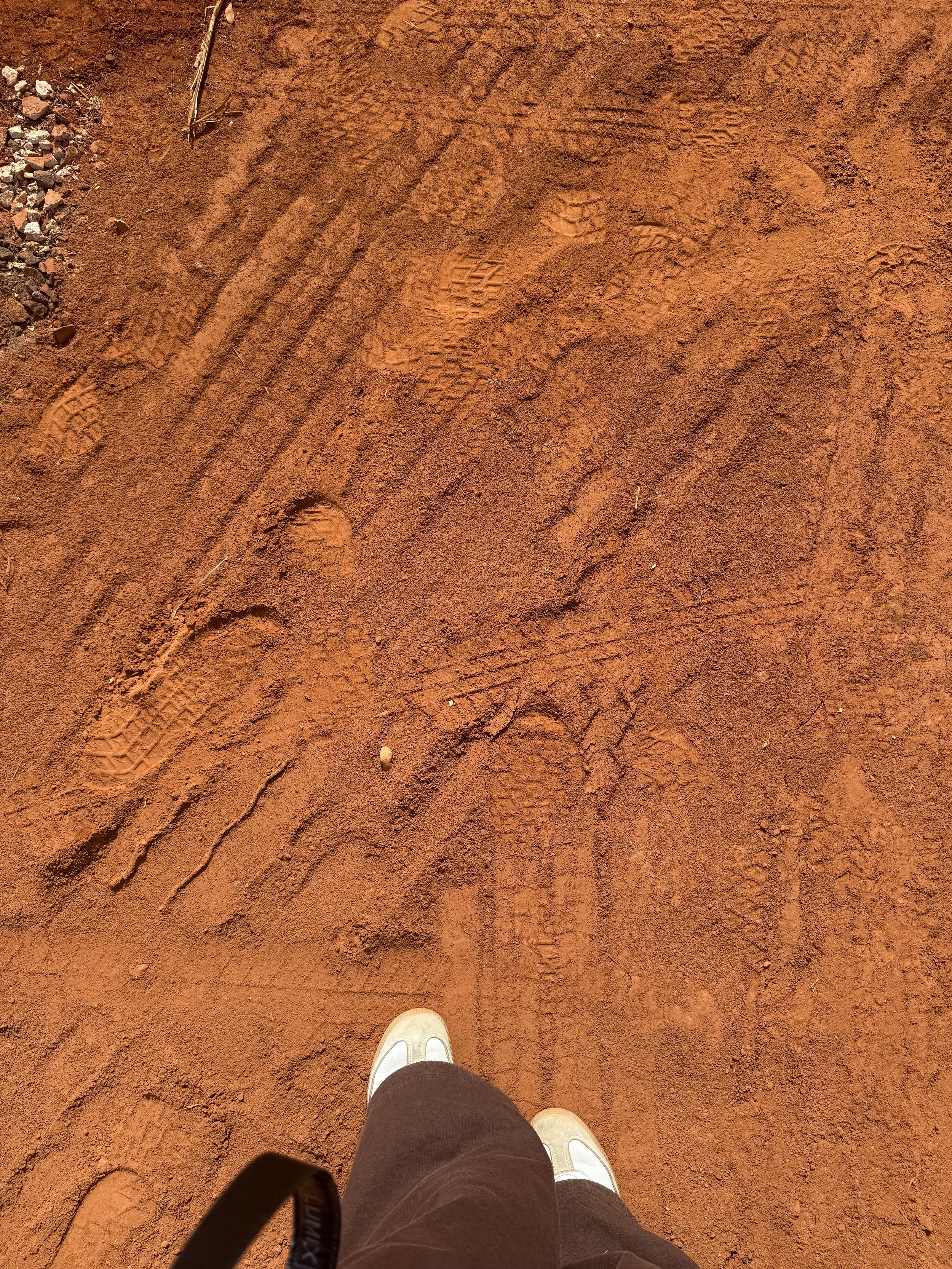
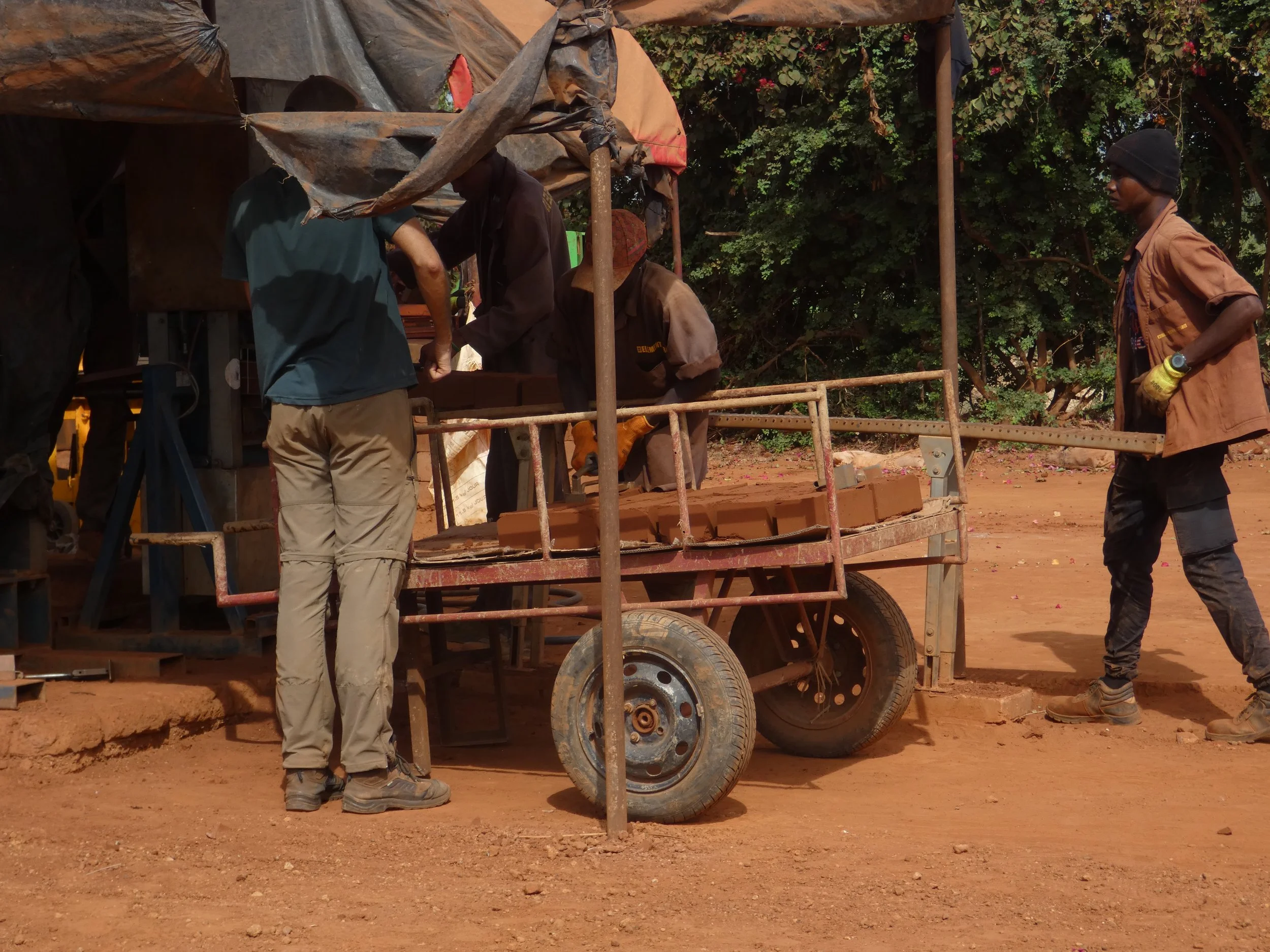
As my observations evolved, so did my research. Grounded in fieldwork and direct exchange, it developed through conversations with architects, engineers, craftspeople, heritage specialists, and local communities. A visit to Elementerre offered valuable insight into the use of bio-based materials and sustainable construction techniques, while discussions with professionals and artisans provided a deeper understanding of how traditional knowledge continues to inform contemporary architectural practice.
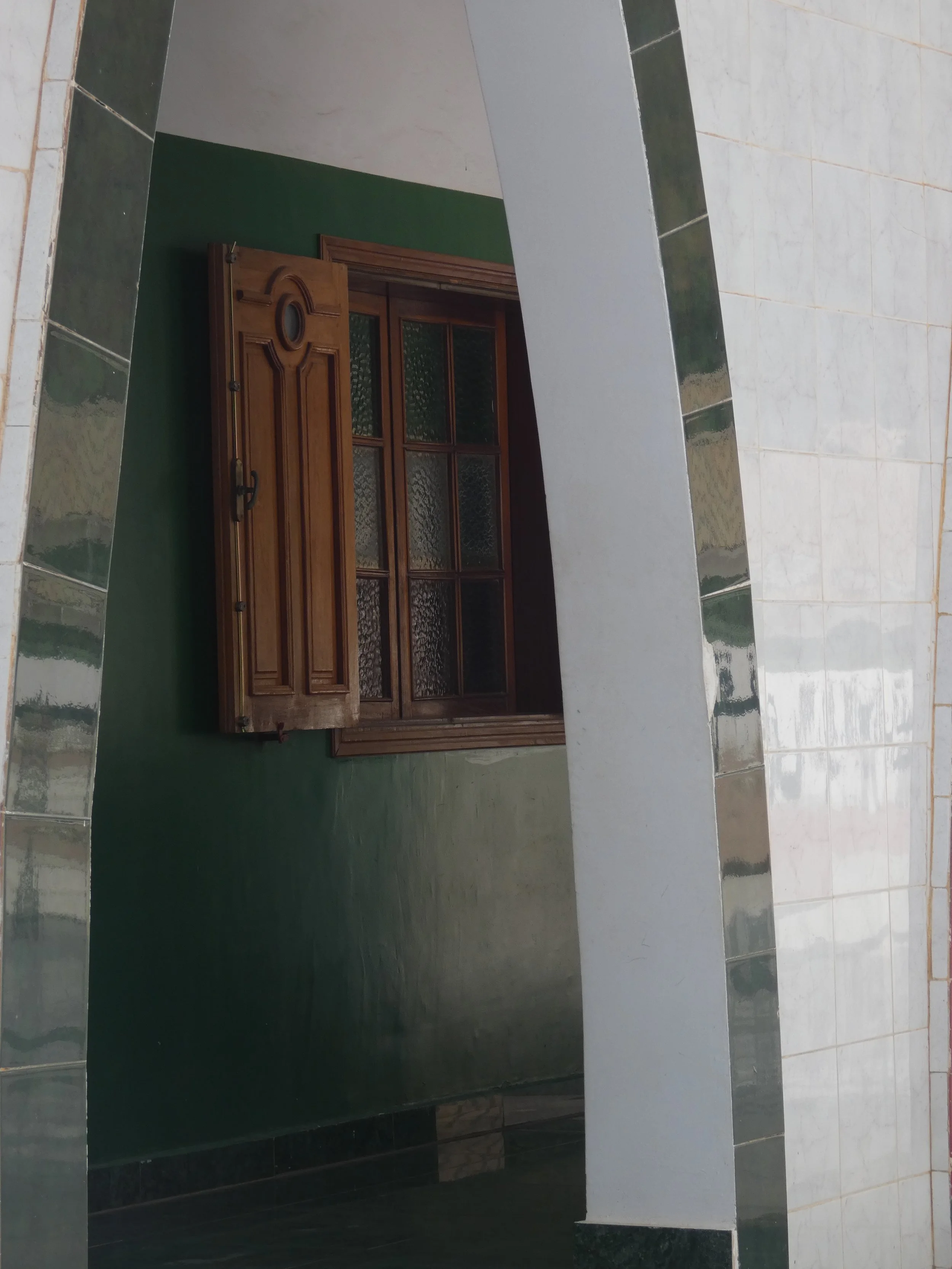
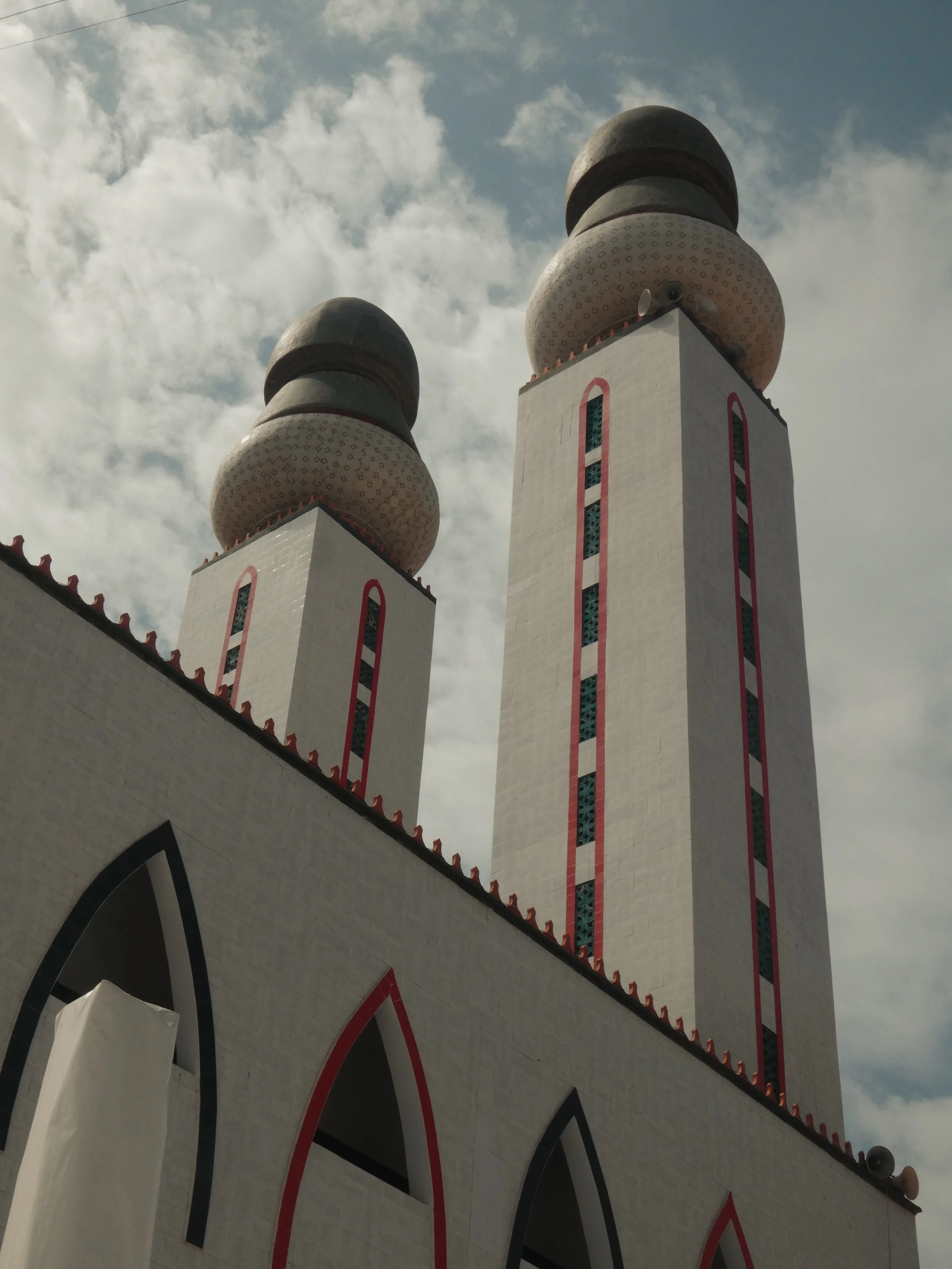
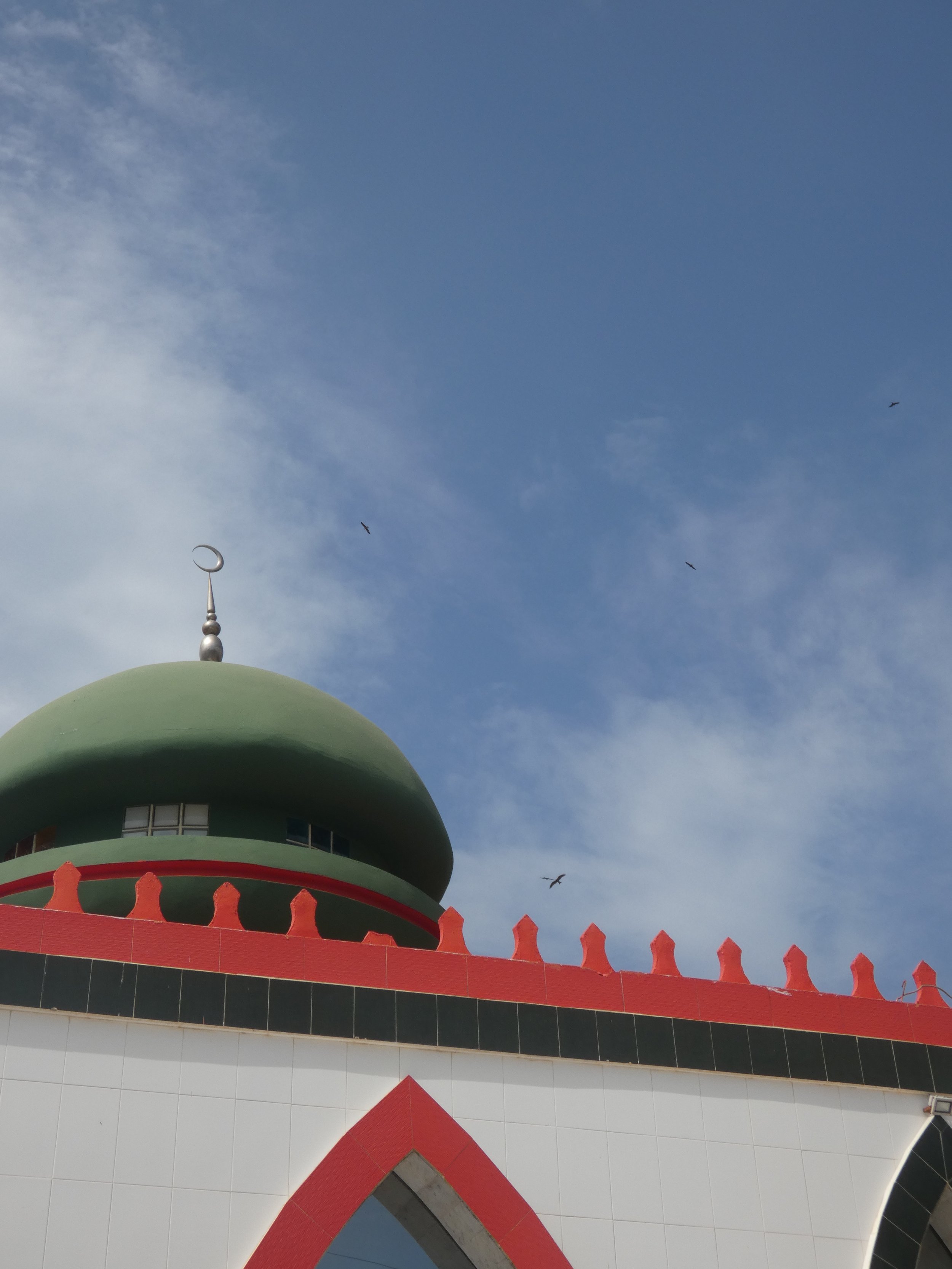
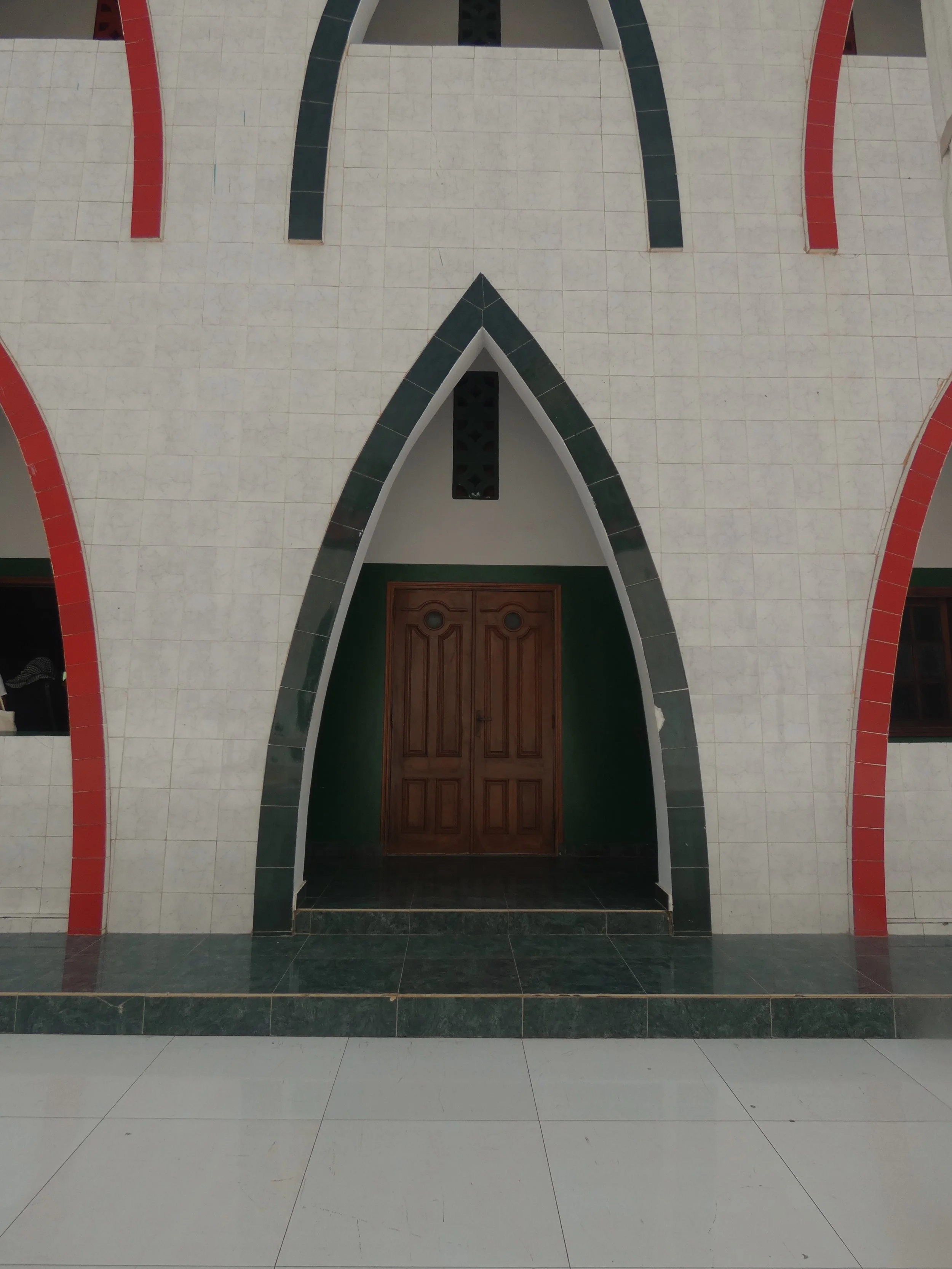
My investigation also extended to some of Senegal's most significant architectural landmarks, including Dakar Railway Station, the Monument of the African Renaissance, the Museum of Black Civilisations, and the Mosque of the Divinity in Yoff.
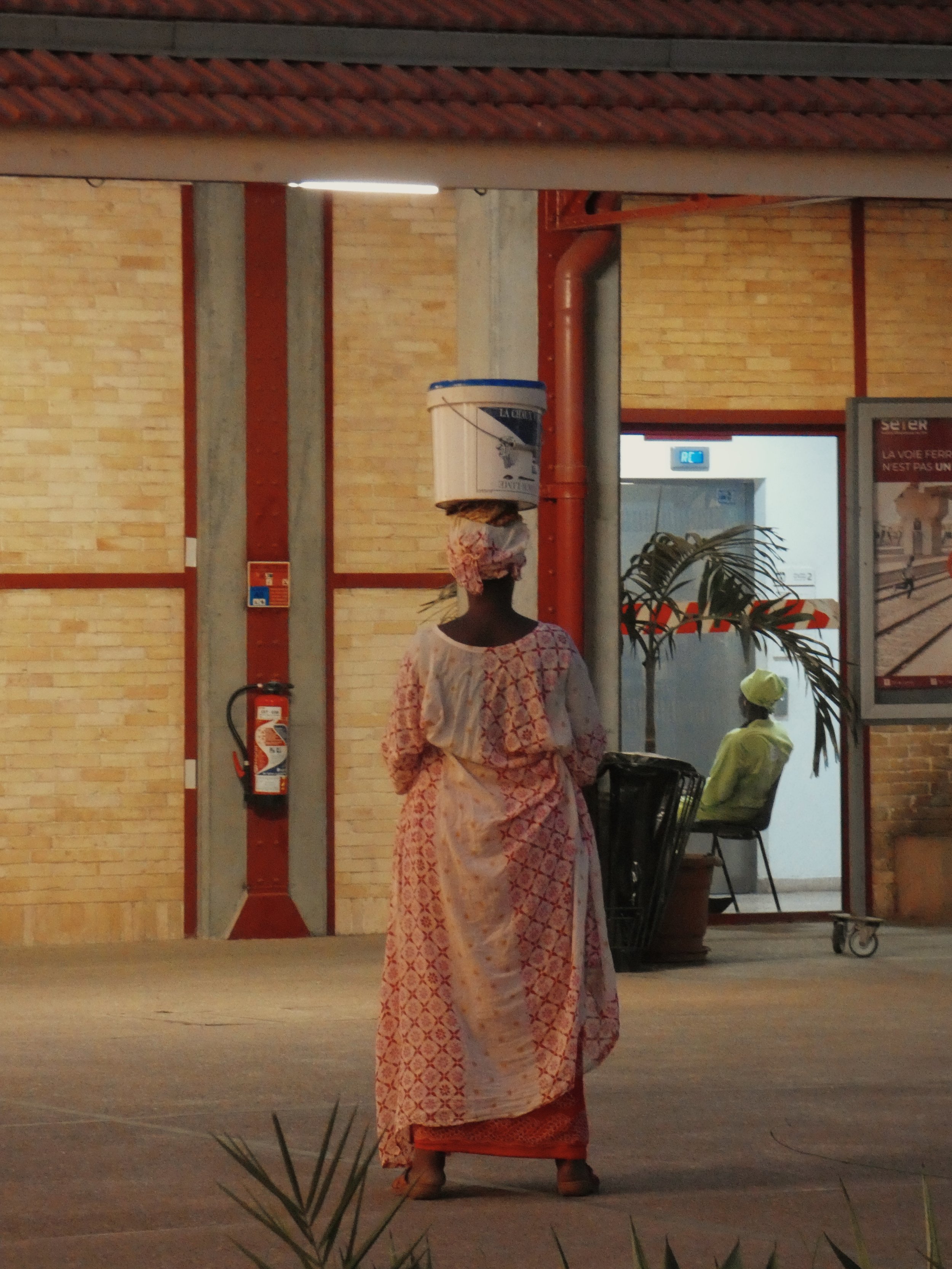
Equally important were visits to artisan villages such as Thiès, Soumbédioune, and Pambal. Engaging directly with woodworkers, leather artisans, jewellers, and textile makers demonstrated that craftsmanship is not merely a legacy of the past, but a living practice that continues to shape Senegal's cultural identity and creative landscape.
These experiences have become the foundation of an ongoing body of research—one that continues to influence the way I observe, question, and ultimately design space.